

Best Ergonomic Chairs for Back Pain
- 27/03/2026
- 0 Comment(s)
The meaning of ‘ergonomic’ is often misunderstood in today’s workplace. While we invest heavily in technology and office space, the office chair, the item that supports us for up to eight hours a day, often gets overlooked. But when you stop to look at the bigger picture, you’ll see the chair is the foundation of your working day. And, if the foundation is wrong, everything else becomes harder. This will have a negative knock-on effect on concentration, comfort, and even mood.
If you suffer from back pain, the difference between an ordinary chair and a properly designed ergonomic option can feel almost revolutionary. This blog explores why ergonomic chairs matter, what makes one ergonomic, and which features are worth paying attention to, especially if your back is starting to signal that it’s not comfortable. We’ve also included our own recommendations to help with your purchasing journey including affordable and premium solutions.
Why Ergonomic Chairs Matter for Back Pain
As human beings, we are not designed to sit in one position for eight hours. We were built to move, walk, and stretch. However, the everyday office and our seating habits often don’t reflect this. The negative effect of being seated for long periods of time on a chair that’s not designed for ergonomic comfort means there is significant pressure on the spine, particularly when posture begins to collapse over the course of the day.
A well-designed ergonomic chair does something surprisingly simple but incredibly valuable: It supports the body in its natural position, encouraging small movements, supports the curve of the spine, and distributes your weight evenly. This reduces strain on muscles and spinal discs, which are often the real culprits behind persistent back pain.
Types of Back Pain
It’s important you understand what support your back needs and where the discomfort is currently coming from when considering a new chair. In general terms, most office-related back pain falls into two categories: lower lumbar back pain and upper thoracic back pain.
Lower Back Pain (Lumbar Pain)
This is by far the most common issue for people who work at desks.
The lower back, known as the lumbar spine, naturally curves inward. When a chair doesn’t support that curve, the body compensates by slouching. Over time, this places pressure on spinal discs and surrounding muscles.
Characteristic causes of lower back discomfort include:
- Lack of lumbar support
- Sitting for long periods without movement
- Seat height that is slightly wrong
- A seat that’s too deep or too shallow
The result is the familiar feeling of stiffness when standing up, or a dull ache across the lower back. However, the solution is quite simple: an ergonomic chair that supports the lumbar curve and allows adjustments, so the spine stays in a neutral position.
Upper Back Pain (Thoracic Pain)
Upper back pain is usually less about the chair itself and more about posture during work.
If you’ve ever caught yourself leaning toward the screen like a plant reaching for sunlight, you’ll understand the problem. Over time, this forward posture creates tension between the shoulder blades and across the upper spine.
The common root causes of upper back pain include:
- Leaning forward while typing
- Poor monitor positioning
- Armrests that are too low or too high
- Lack of backrest support
An ergonomic chair with thoracic support will help ensure the entire back is supported and allow the user to recline slightly, which naturally reduces pressure through the shoulders and neck.
What Actually Makes a Chair Ergonomic?
The word “ergonomic” is freely used by many office chair suppliers, but a true ergonomic chair has a simple principle behind it: it will adjust to the person, rather than forcing the person to adjust to the chair.
Everyone’s body is slightly different. Height, leg length, posture habits, and even shoulder width vary. A good ergonomic chair acknowledges this and provides the flexibility to accommodate it.
Understanding Ergonomic Chair Mechanisms
While office chairs may all look similar at first glance, the mechanism underneath the seat determines how they behave when you move. With movement being the core principle to comfortable sitting.
Here are some of the mechanisms you might see on some of the best ergonomic chairs:
- Synchro Mechanism
- Tilt Mechanism
- Independent Seat & Back Adjustment
- Weight Tension Control
Features Worth Looking for in an Ergonomic Chair
While mechanisms matter, the real value of an ergonomic chair lies in its adjustability. A few key features make a significant difference and can include:
- Adjustable Lumbar Support
- Seat Height & Depth Adjustment
- Adjustable Armrests
- Reclining Backrest
The interesting thing about ergonomics is that the improvements are often subtle. You might not immediately notice the chair doing anything remarkable. In fact, the best ergonomic chairs are slightly boring in that regard. But over time, the benefits accumulate. Less stiffness at the end of the day. Fewer aches after long meetings. A working posture that feels natural rather than forced.
Choosing the Right Ergonomic Chair for Bad Backs
If you’re selecting a chair for yourself or your workplace, a few practical considerations can make the process easier. Look for chairs that offer:
- Multiple adjustments rather than fixed positions
- Proper lumbar support
- A mechanism that encourages movement
- Durability and suitable for daily use
- A solid warranty from a reputable supplier
To help with your purchasing decision, we’ve hand-picked four of our best-selling chairs to suit every budget, specifically designed to target back pain through ergonomic mechanisms and features:
Ergonomic Chair Recommendation
– Lower Back Pain:
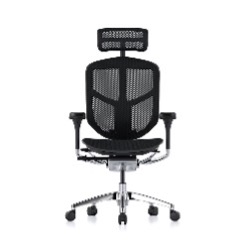 | Target: | Lumbar Pain |
| Budget: | Affordable | |
| Solution: | ESC06 – Medium Back Office Chair | |
| Suitable for: | All work environments, including home offices, professional organisations, hot-desking, and multiuser areas. | |
| Features&Benefits: |
| |
| Warranty: | 5-years | |
| Full Specification: | Shop Now |
– Lower Back Pain:
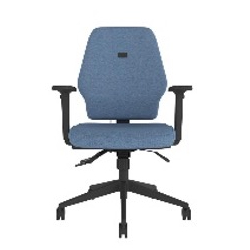 | Target: | Lumbar Pain |
| Budget: | Premium | |
| Solution: | ESC44 – Comfort Enjoy Elite – Mesh Office Chair | |
| Suitable for: | Heavy-duty chair designed for all office environments including multiuser 24/7 office use. Great for users with lower and/or upper back pain. | |
| Features&Benefits: |
| |
| Warranty: | 10-years | |
| Full Specification: | Shop Now |
– Upper Back Pain:
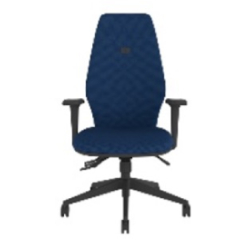 | Target: | Thoracic Back Pain |
| Budget: | Affordable | |
| Solution: | ESC07 – Tri-curve Extra High Back Ergonomic Chair | |
| Suitable for: | All office environments | |
| Features&Benefits: | > Heavy-duty mechanism > Independent seat and back angle adjustment > Adjustable body weight tension control > Seat slide > Ratchet backrest height adjustment > Waterfall seat design > Inflatable lumbar support > Ergonomically shaped backrest > Ergo-density foam > Inflatable lumbar for all-day support > Additional flexible ergonomic features include various arm options and Airflo seat cell, thoracic support, coccyx cut-out, standard or performance seat foam, and base styles | |
| Warranty: | 5-years | |
| Full Specification: | Shop Now |
– Upper Back Pain:
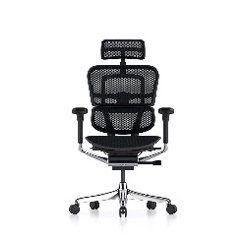 | Target: | Thoracic Back Pain |
| Budget: | Premium | |
| Solution: | ESC36 – Comfort Ergohuman Elite Mesh Office Chair | |
| Suitable for: | Heavy-duty chair designed for all office environments including multiuser 24/7 office use. Great for users with lower and/or upper back pain. | |
| Features&Benefits: |
| |
| Warranty: | 10-years | |
| Full Specification: | Shop Now |
View our full range of ergonomic chairs.
The Real Value of Good Seating
If you’re dealing with persistent back pain, an ergonomic chair can quietly improve daily life in ways that become obvious when you don’t have it already. Which, when you stop to think about it, is a rather good return from something as simple as a chair, especially one that can also make a significant improvement to your posture, wellbeing, and comfort.