ADHD Ergonomic Seating: A guide to choosing the right chair
- 01/06/2026
- 0 Comment(s)
Attention Deficit Hyperactivity Disorder (ADHD) affects how individuals focus and regulate attention. For many, some styles of office seating can unintentionally make these challenges worse by encouraging static seating.
The right chair can help reduce physical discomfort, support natural movement, and create an environment that makes it easier to stay engaged with tasks over time.
In this guide, we define what ADHD-friendly seating means, why it matters, and which types of chairs, stools, desking, and accessories can help create a more supportive workspace.
ADHD, Symptoms & Behaviours Explained
ADHD is a common neurodevelopmental condition that affects how people focus, manage impulses, and regulate energy levels. While it’s often associated with children, ADHD can continue into adulthood and present in different ways depending on the individual.
It’s not simply a matter of being “easily distracted” or “overactive”—for many, it can influence daily routines, workplace performance, relationships, and overall wellbeing.
Symptoms and behaviours of ADHD fall into three areas: inattention, hyperactivity, and impulsivity as outlined by the NHS. However, these can show up differently from person to person. Some individuals may primarily struggle with concentration and organisation, while others experience restlessness or act quickly without thinking things through. Recognising these patterns can help individuals and employers better understand the challenges involved and identify practical ways to provide support.
Common ADHD symptoms and behaviours include:
- Easily distracted by surroundings or thoughts
- Struggles with time management including remembering appointments, and deadlines
- Frequently switches between tasks but may intensely focus on specific ones
- Find it hard to finish projects
- Often misplaces everyday items
- Has high or restless energy levels
- Interrupts conversations
- Makes impulsive decisions
- Finds it difficult to stay focused
- May not seem to listen when spoken to
- Avoids tasks requiring sustained effort
- Frequently fidgets or squirms
- Feels restless in situations requiring stillness
- Constantly “on the go”
- Difficulty prioritising tasks
- Easily overwhelmed
- Struggles with emotional control
- Finds routines hard to maintain
What is an ADHD Chair?
There isn’t a chair that can be defined as an ADHD chair, because every individual’s needs, preferences, and working habits are different.
That’s why ergonomic chair solutions are often the preferred choice, as they provide an active seat that enables subtle, continuous movement.
The table below highlights some common workplace comfort challenges experienced by individuals with ADHD, along with ergonomic seating features that can help create a more comfortable and supportive environment.
| ADHD Symptom or behaviour | Ergo Chair Features | Positive Feature Benefits |
| Seating that is too soft or too firm can be distracting | Supportive Seat Foam | Provides consistent support and comfort |
| Feeling too warm or uncomfortable during long periods of sitting | Breathable Fabrics & Materials | Improves airflow and temperature regulation |
| Restlessness or frequent fidgeting | Dynamic seating mechanisms | Encourages subtle movement while seated to support comfort and concentration |
| Poor posture | Adjustable lumbar support | Supports the lower back and promotes healthy posture, especially during long periods of sitting |
| Difficulty sitting still for long periods | Synchro tilt and recline functions | Allows natural posture changes and movement without disrupting workflow |
| Tension or discomfort in the shoulders or arms | Adjustable armrests | Provides arm and shoulder support to encourage a more relaxed sitting position |
| Feeling restricted in static seating positions | Flexible backrests & adjustable features | Adapts to individual movement and seating preferences for better comfort |
| Needing frequent movement or repositioning while working | Swivel bases | Ergonomic chairs with swivel castor wheelbases allow easy movement without twisting or strain |
| Discomfort from unsupported legs or posture | Footrests, leg rests, and seat height/depth adjustment | Supports lower body positioning and helps reduce restless leg movement |
Why the right ergonomic features matter
The right seating doesn’t fix ADHD, but it will support comfort, help users focus, and enhance productivity. Small ergonomic adjustments can make a meaningful difference in daily working life, which is why flexible and adaptable chairs are often the most effective solution.
Let’s get to know some of those features better:
Headrest
A headrest can be a useful feature if you have ADHD, but it’s not essential. In fact, for some ADHD users, a headrest can feel restrictive, or it doesn’t get used because they may prefer more movement and flexibility. We would probably describe a headrest as a supportive, optional feature rather than a core requirement.
A headrest is best suited when the user experiences fatigue or overstimulation and needs moments of physical ‘reset’. Or if the chair is used for longer focused tasks, where posture support reduces physical strain.
Leg Rests
For many with ADHD, leg movement isn’t a random motion; it’s often a way to release excess energy or to self-regulate while sitting. That’s why an ergonomic chair with a footrest would be considered as an optional feature rather than a necessity, as it aids users to relax, but equally it can take away the ability to stay moving, which is a self-regulating trait for those with the disorder.
Footrest
A footrest is a good support that can help with fidgeting. By giving your legs something stable to press against, you can help improve posture alignment and offer a subtle outlet for movement as they allow you to rock your feet and shift pressure, etc. Find out more: The Role of an Ergonomic Footrests for a Healthier Workspace.
Recommended Ergonomic Chairs, Stools, Accessories & Desks
ESD – ADHD Friendly Chairs
Flokk HÅG Capisco Office Chair
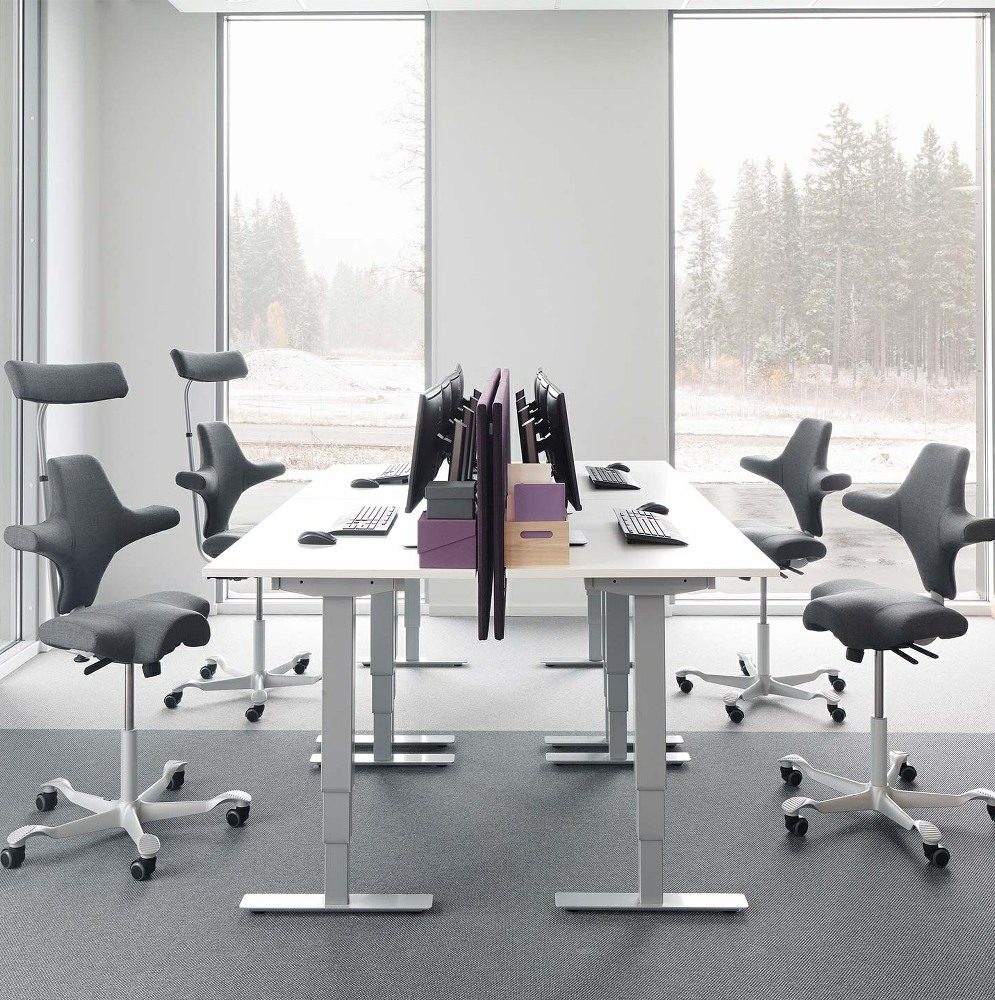
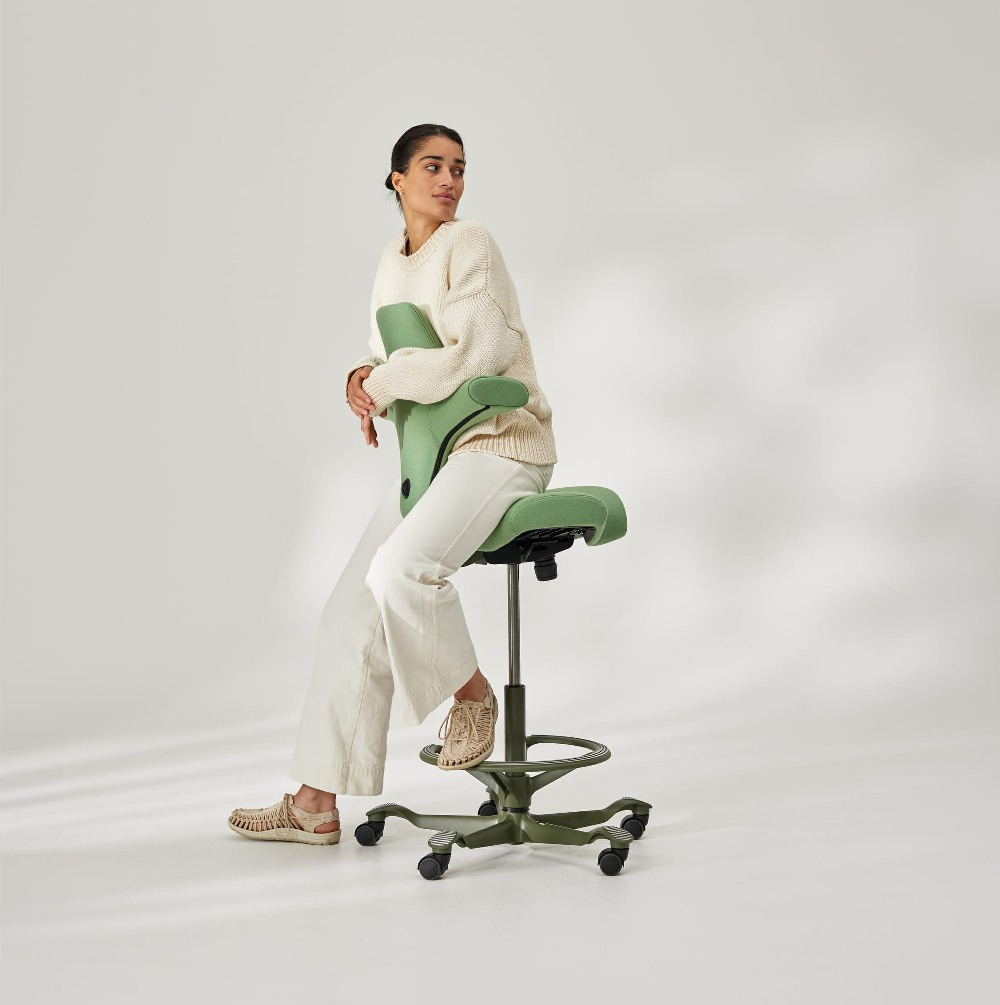
- Unique saddle-style seat encourages natural posture
- Easily adjust between sitting, perching, and standing desk heights
- Supports movement and active sitting
Pres Lower Body and Leg Pain Ergonomic Office Chair
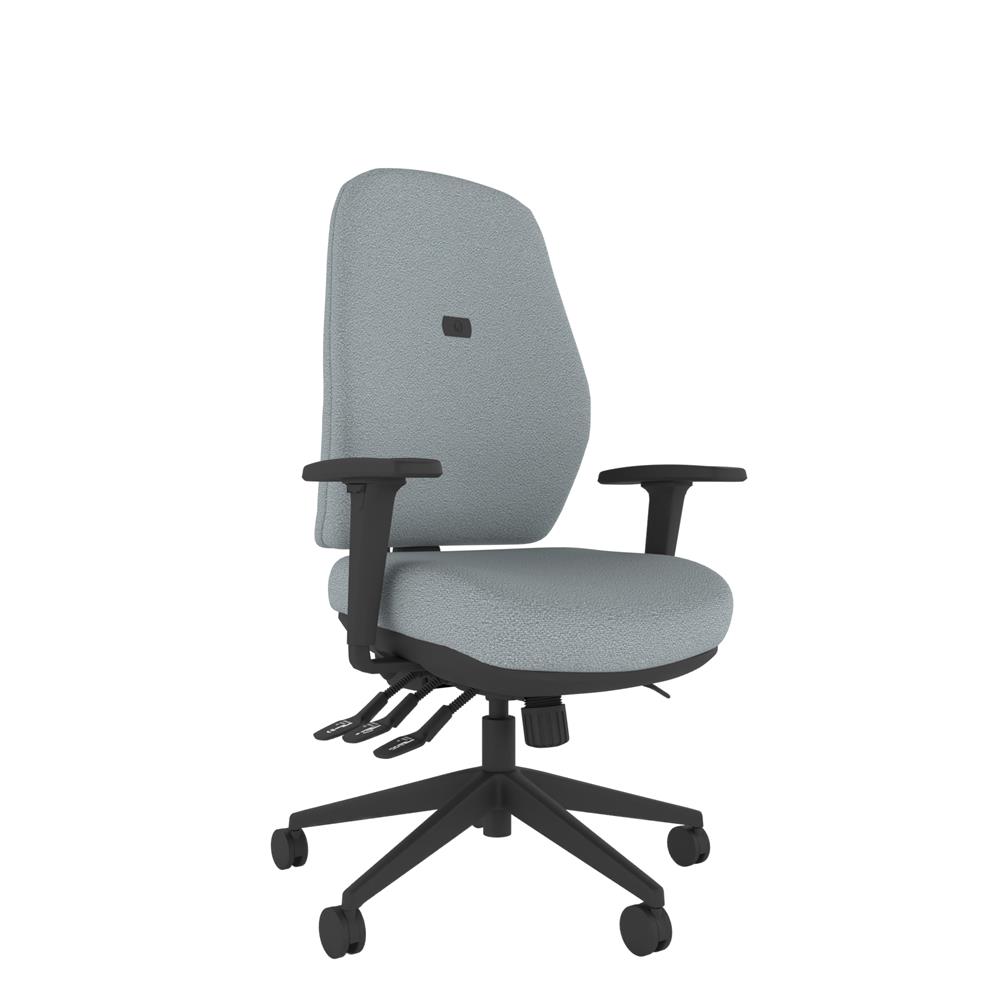
- Personalised comfort suitable for use at home or professional workspaces
- Flex-front seat and synchro tilt support posture and circulation all day
- Supports natural movement and encourages micro-breaks without leaving your chair
Comfort Ergohuman Elite G2 Mesh Office Chair
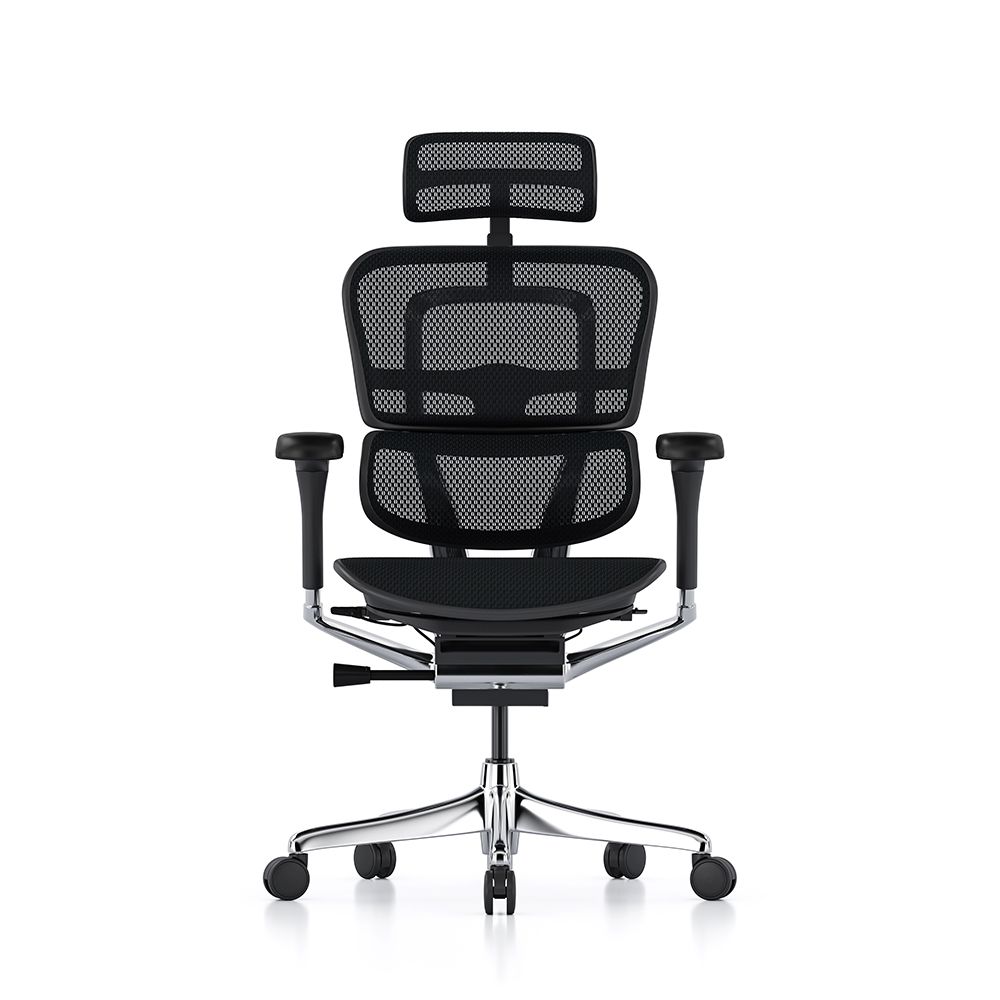
- Supports dynamic movement to reduce pressure and improve circulation
- Keeps the body comfortable and lightly engaged so the brain has less friction to stay focused
- Breathable materials make the chair feel light and keep you feeling cooler
ESD Perching Stools
Senator Lyft Height Adjustable Stool


- Encourages micro-movements that may help concentration and reduce restlessness
- Height-adjustable stool perfect for sitting, standing, or perching
- Curved seat and rounded base for natural motion
ESD – ADHD Height Adjustable Desking
Single Motor Sit-Stand Desk

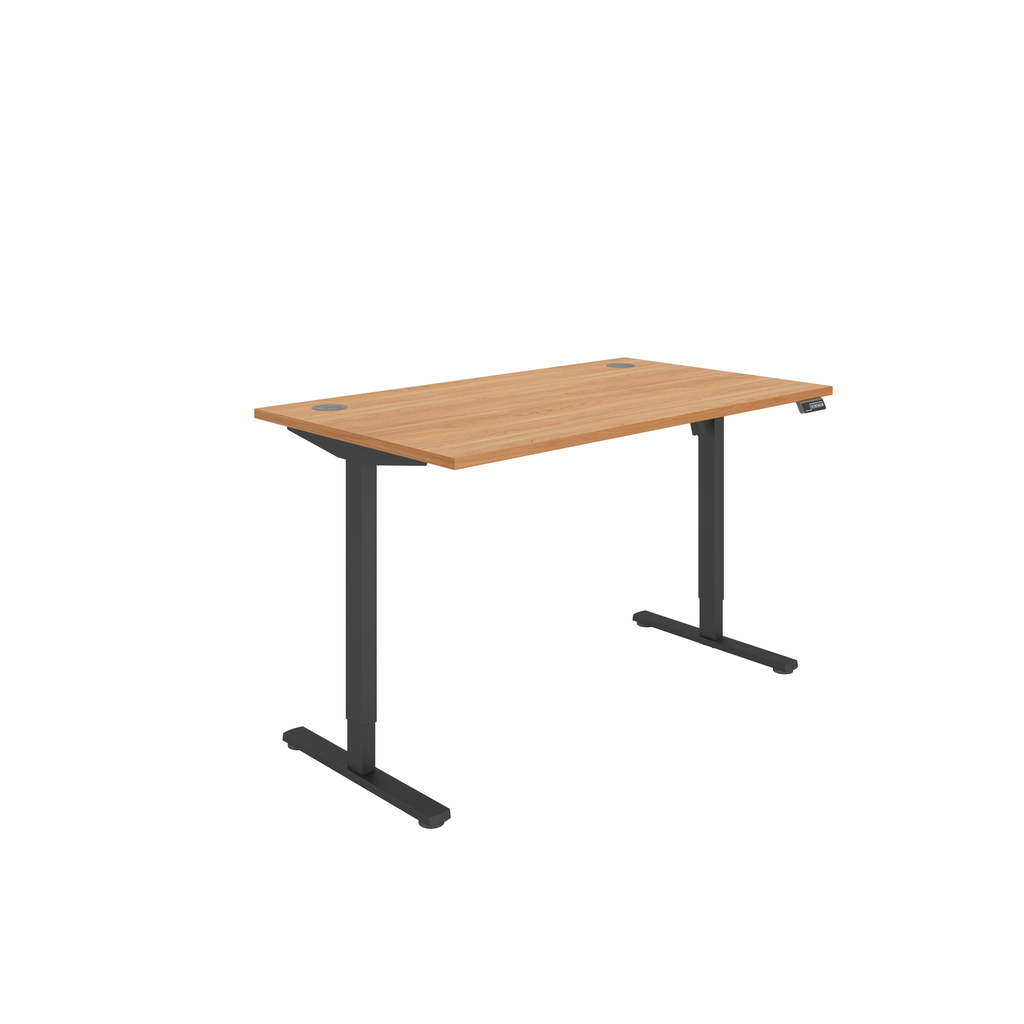
- Supports movement throughout the day, which can help restless ADHD energy
- Makes it easier to switch between sitting and standing
- Electric height adjustment provides smooth sit-stand movement
Dual Motor Sit Stand Desk
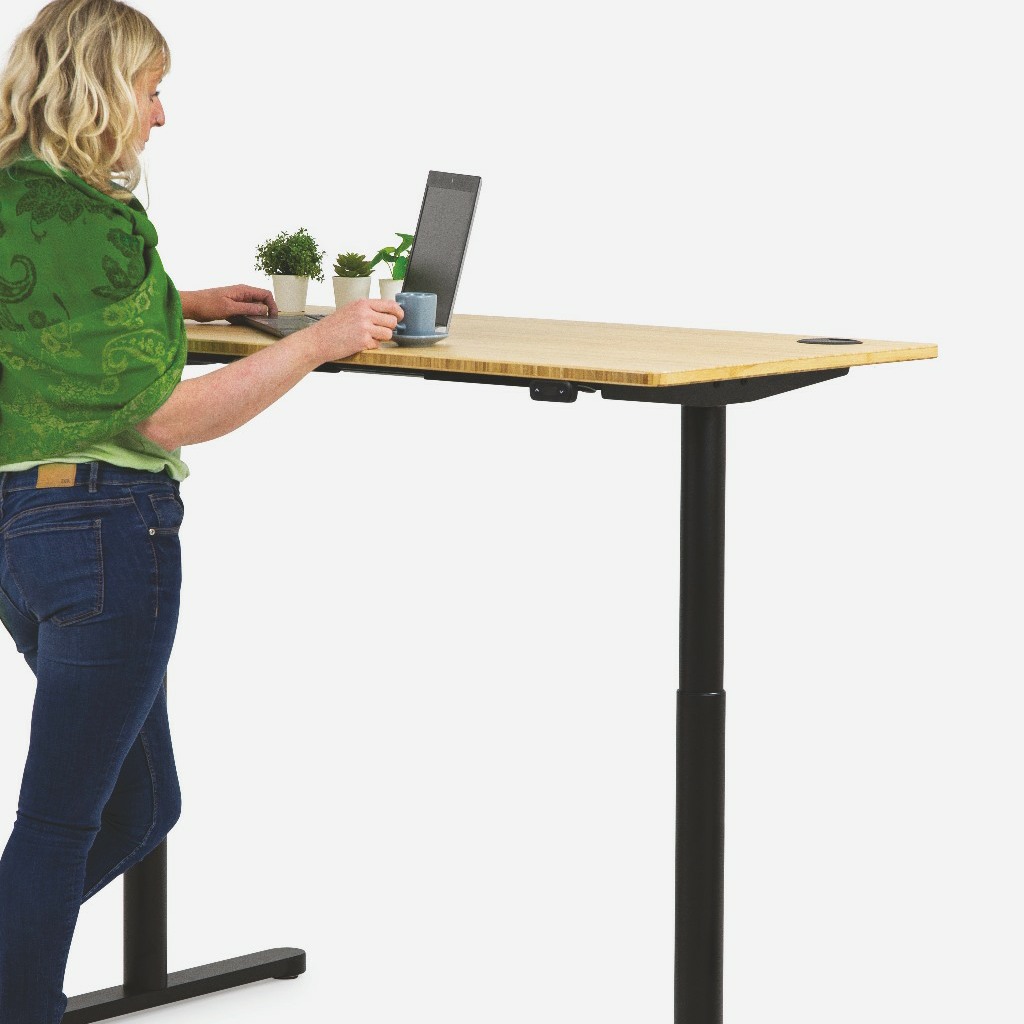
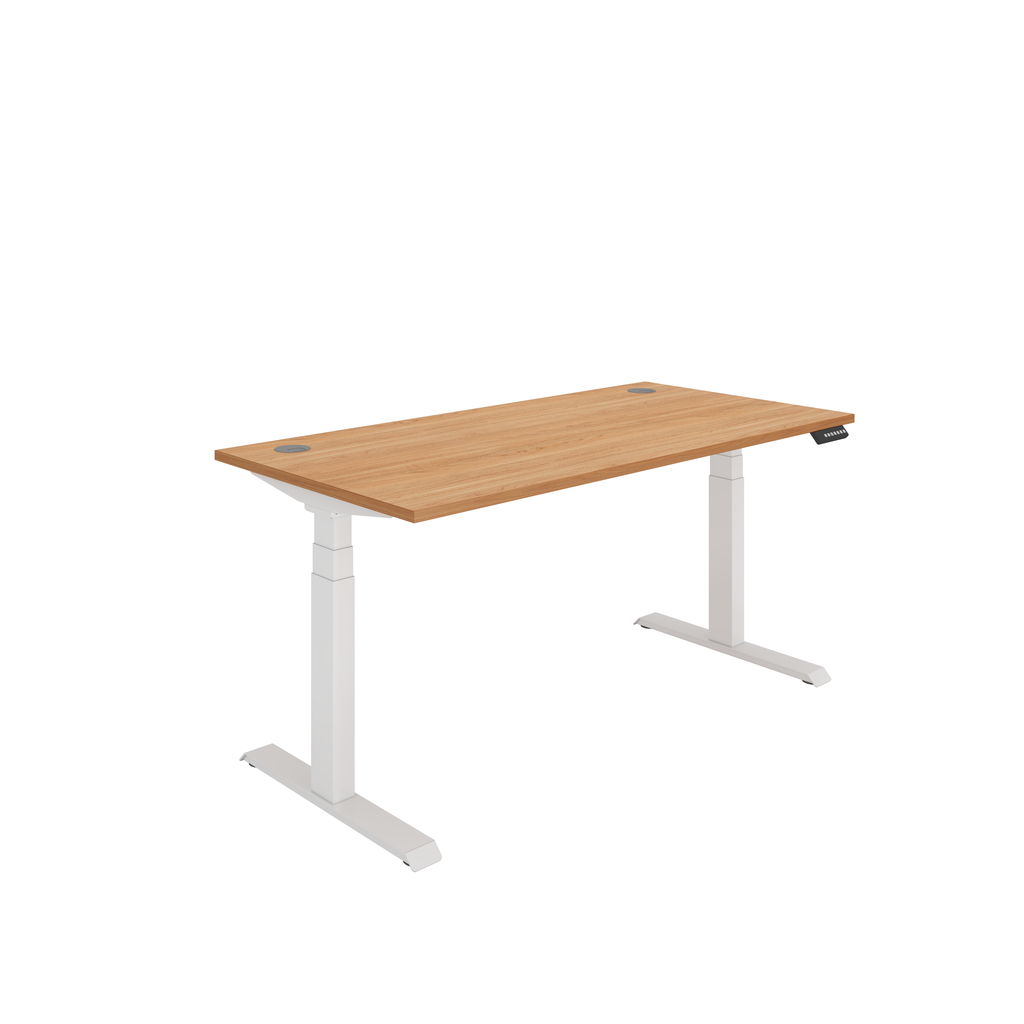
- Creates a more flexible space that works with changing ADHD behaviours
- Designed to support movement, routine changes, and different ways of working
- Dual motor provides smooth adjustment
ESD – ADHD Footrests
HÅG Quickstep Rocking Footrest
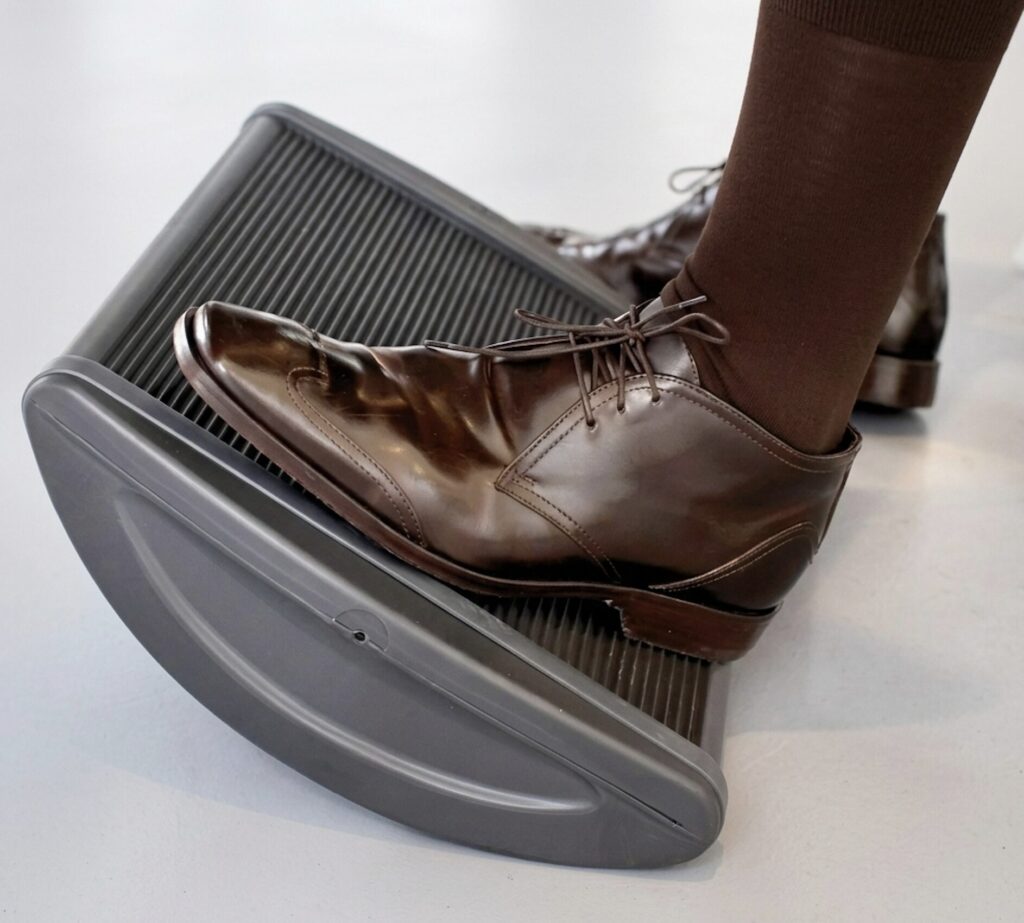
- Let’s you subtly rock, shift, or change position
- 2-sided use, lightweight and easily moved, making sitting feel more flexible and less restrictive
- Activates circulation
Score PRO Adjustable Footrest
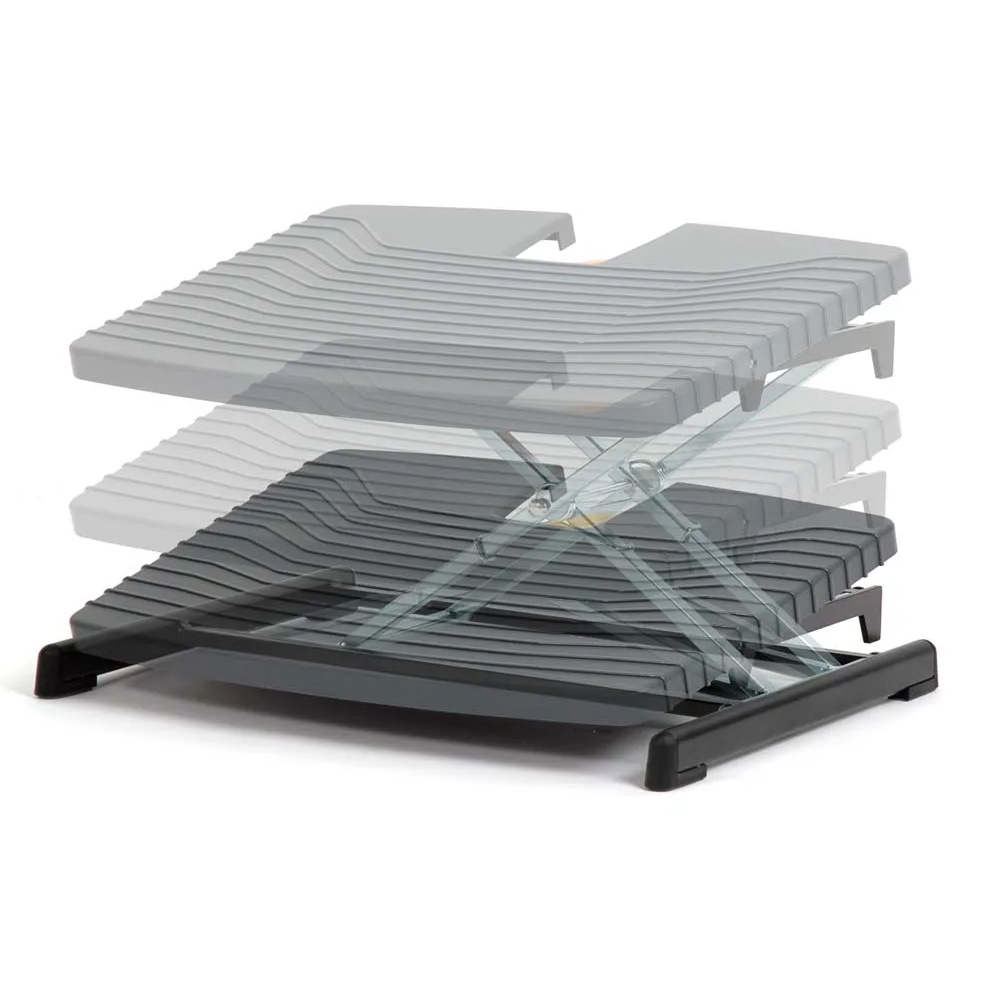
- Change the height with a simple foot movement
- Support ergonomic posture and reduce lower back pain
- Provides a grounding point, which some people find helps with concentration
Tilt-adjustable Footrest – Score Basic 952 Footrest

- Tilt-adjustable Footrest – Score Basic 952 Footrest
- Ergonomic adjustable footplate & easy to reach foot controls
- Can reduce discomfort and help prevent slouching
- Makes sitting feel more flexible and less restrictive
Who Benefits from Ergonomic ADHD-friendly Chairs
A well-designed chair is inherently versatile, offering comfort and support that can benefit a wide range of users. From neurodivergent individuals to those simply seeking a more comfortable and productive workspace, the right seating can adapt to diverse needs and working styles.
This includes:
- Neurodivergent employees
- Students with ADHD
- Remote workers
- High-focus roles (design, admin, tech, finance)
- Anyone struggling with restlessness at work
Summary
ADHD can influence how individuals interact with their workplace. Traditional seating may not always support these needs, which is where active seating solutions play a key role.
By choosing seating that allows movement and adjustability, individuals can create a workspace that better supports attention and reduces physical strain and restriction. To understand the basics in more detail, read our guide on ‘What is an Ergonomic Chair’.
Whether through ergonomic chairs, active stools, or supportive accessories, the right set-up can have an influence on wellbeing and productivity.
FAQs
What is an ADHD Chair?
A chair that best suits ADHD users is one that is designed to support movement and flexibility. These chairs often have ergonomic features that allow subtle motion, active sitting, and posture adjustability, which can help individuals with ADHD maintain focus.
Why is movement important for people with ADHD?
Movement benefits people with ADHD as it helps to regulate attention and reduce restlessness. Seating that allows controlled movement can support concentration rather than forcing rigid stillness.
Are wobble stools or active seating good for ADHD?
For many individuals with ADHD, balance stools encourage active seating with micro-movements that can help some individuals stay engaged. However, these are suitable for everyone and should be matched to personal comfort and task type.