

Can an Ergonomic Chair Help with Sciatica?
- 28/05/2026
- 0 Comment(s)
Sciatica is a condition that sounds straightforward until you experience it. Then it becomes less of a diagnosis and more of a daily negotiation with your own body, and usually your chair, your posture, and your patience.
It’s not a single, fixed issue either. Sciatica is a symptom that can stem from a range of causes, such as a herniated disc, muscle tension, or prolonged poor posture. What many of these have in common is that extended periods of sitting tend to make things worse, which isn’t ideal if you work a 9-to-5 role.
One question we’ve been hearing more often is: if I sit at a desk all day, can an ergonomic office chair help with sciatica pain?
For many people, the answer is yes, an ergonomic office chair can make a noticeable difference to sciatica pain by helping to support better posture and reduce pressure on the lower back.
Poor Sitting Habits
The human body is perfectly capable of sitting for lengthy periods. But what it is less good at is sitting badly for long hours. Which, incidentally, is exactly what most standard office chairs encourage.
A poorly designed chair tends to:
- Flatten the natural curve of the spine
- Shift pressure into the lower back
- Encourage slouching without resistance
Over time, this creates sustained pressure around the lumbar region, which is precisely where the sciatic nerve can become irritated.
So, while sitting doesn’t cause every case of sciatica, it is known to amplify the symptoms.
How an Ergonomic Chair Helps Sciatica
An ergonomic chair for sciatica doesn’t “treat” the condition in a medical sense. What it does do is take some of the unnecessary strain out of the equation. This means the right chair will work with you to keep you aligned and supported, exactly where you need it.
A well-designed, ergonomic chair supports your spine’s natural S-shape, reduces lower back pressure, and distributes your body weight evenly across the seat and backrest, which are key support zones that reduce pressure buildup. Being ergonomic, a chair will also encourage healthy movement. That’s because the chair is built to move with you; this, in turn, helps prevent stiffness and muscle fatigue.
In summary, you could say it creates a healthy environment where your body isn’t constantly working against itself.
What to Look for in the Best Chair for Sciatica Sufferers
With slight improvements in support and reduced pressure, a supportive chair will make a significant difference during a long workday.
Choosing the right chair with the right features including lumbar support can result in reduced lower back tension, improved sitting posture, and less discomfort during prolonged desk work.
If you’re choosing an office chair for lower back pain, there are a few features that we consider should be in your shopping basket, they include:
Adjustable lumbar support – this allows you to position the support exactly where your spine needs it.
Seat depth and height adjustment – ensures your thighs are supported without pressure behind the knees.
Tilt-and-recline mechanism – encourages movement and reduces static loading on the spine.
Supportive cushioning and waterfall seats – for even pressure distribution.
Recommended Ergonomic Seating Options
At Ergonomic Solutions Direct (ESD), our ergonomic seating ranges focus on adjustability and long-term comfort. Our chairs have been hand selected based on strength, reputation, and physiotherapist endorsements.
From our extensive offering, there are several standout features, including the Air Flow Seat Cell. This advanced dual-chamber air system sits just beneath the seat surface, delivering a responsive “reactive sit.”
As you move, the air cell subtly adjusts to your posture, encouraging natural micro-movements throughout the day. At the same time, it provides targeted cushioning to the sit bones, enhancing comfort where it matters most.
This results in a comfortable seat that actively supports better core engagement, promotes healthier sitting habits, and can help reduce pressure associated with sciatic discomfort.
Here are a couple of examples of chairs in our range with Air Flow Seat Cells as add-on features:
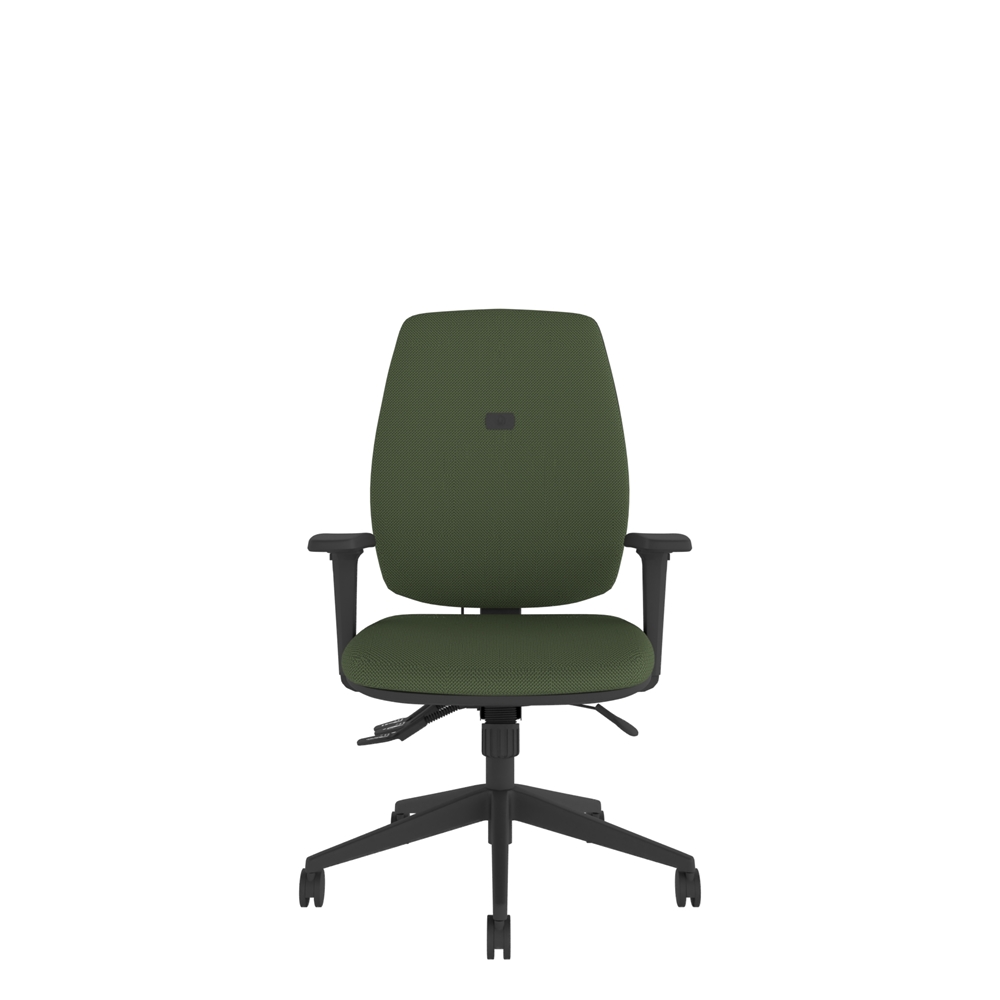
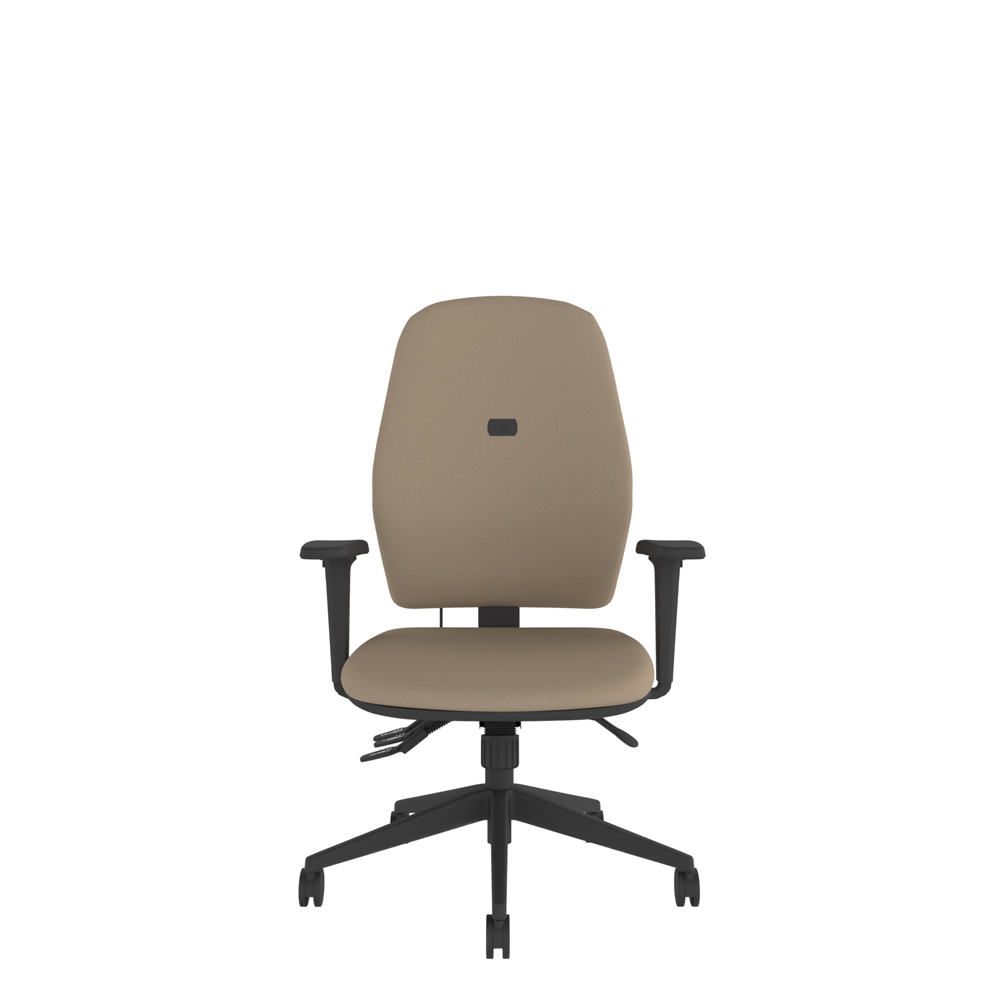
There are also 3 additional key features we recommend for sciatic support, which include:
- Seat depth adjustment
This will prevent pressure from building behind the knees (often overlooked, but we consider it crucial). - Dynamic Movement Mechanisms
Encourage micro-movements rather than static sitting. - High-quality Cushioning
To ensure pressure is distributed to relieve prolonged compression on the spine.
From our range, particularly effective options include chairs that support the shape of the spine, as well as keeping a neutral pelvic position:
Ergonomic task chairs with adjustable lumbar support
Ideal for daily office use and consistent back support.
Ergonomic chairs with coccyx cut-out
Help reduce pressure on the base of the spine and lumbar area.
Ergonomics and Movement
We will be real with you, not even the best chair for sciatica sufferers will be a complete solution. But if you combine a good chair with regular breaks, stretching, and varying your position throughout the day, it can help to reduce the discomfort.
Ergonomist Advise
So, can an ergonomic chair help with sciatica?
Our answer is yes, but as we’ve tried to explain, maybe not in the way you would first expect.
A chair won’t or can’t cure your condition. But what it will do is reduce the everyday stresses that can make sciatica worse. This often will show a noticeable difference when sitting for longer periods.
If you need help selecting an ergonomic chair that suits all your needs, please get in touch. Our trained ergonomists will listen to your requirements and confidently recommend a solution that best suits you and your postural needs.
FAQs
What are the symptoms of Sciatica?
Typical sciatic symptoms include lower back discomfort, pain that radiates down one leg, tingling, numbness, weakness in either the foot or leg, and increased pain when sitting for long periods.
Can an ergonomic chair designed for sciatica relief help me?
A well-designed ergonomic chair designed to support the natural posture of the body can contribute to improved comfort when seated. Fuse a good chair with regular movement breaks and correct workstation setup, and you’ll have the perfect combination to help relieve lower spine pressure and encourage healthy workplace habits.
What chair features should I look for when choosing an ergonomic chair for sciatic relief?
A good ergonomic chair geared towards sciatic relief will be a model that provides a range of adjustable features. This allows you to personalise your seating position to match your individual body shape and working style. Some of the key features we would suggest are: adjustable lumbar support, seat height and depth adjustment, reclining backrest with tension control, adjustable armrests, and supportive seat cushions and upholstery
How do I set up my workstation correctly when using an ergonomic sciatic chair?
The correct alignment of your workstation is important when using any ergonomic chairs. Your eyes should be level with the top of your screen; your keyboard and mouse should be close enough that you don’t have to stretch or reach unnecessarily. Your feet should sit flat on the floor, with your knees bent at a 90-degree angle. If you are petite, a footrest will help close the gap between the feet and the floor.