

What is an Ergonomic Chair?
- 09/04/2026
- 0 Comment(s)
An ‘ergonomic chair’ is one of those phrases that gets used everywhere, but what does it actually mean?
At first glance, most office chairs look fairly similar. They’ve got a seat, a back, maybe some arms…
So, what makes one ergonomic, and not just another chair?
What makes a chair ergonomic?
We all sit differently, move differently, and need support in slightly different ways throughout the day. An ergonomic chair is designed around the person using it, and at its simplest, it supports, adjusts, and adapts.
Support is about how the chair works with your body. Your spine isn’t straight; it has natural curves, particularly in the lower back. Therefore, an ergonomic chair supports those curves, especially through lumbar support, so your body doesn’t have to hold itself in position all day.
Adjustability is an important factor for a good ergonomic setup. Features like seat height, seat depth, tilt, armrests, and back support allow you to change how you sit, so the chair moves with you, rather than locking you in place.
Adaptability ensures a chair doesn’t just fit you at 9am. It still works for you at 3pm, when you’ve shifted, leaned, stretched, and changed position dozens of times without thinking about it.
Active Sitting
An ergonomic chair isn’t about sitting perfectly still. In fact, it’s the opposite. It’s about making movement feel natural, supported, and easy to do all day, every day. That’s because, when a chair doesn’t support you properly, your body starts to compensate. You lean forward; you shift your weight. You adjust, and readjust, and adjust again. And, over time, that’s what leads to discomfort.
How an Ergonomic Chair Will Change That
A well-designed ergonomic chair reduces the need to compensate. It keeps your posture more balanced, reduces pressure on key areas like the lower back and hips, and helps maintain better circulation during long periods of sitting.
Key Ergonomic Features
Most ergonomic chairs include features like:
- Adjustable lumbar support
- Seat height and depth adjustment
- Tilt and recline mechanisms
- Adjustable armrests
- Breathable materials for temperature control
- Headrest support for the neck and shoulders
- Thoracic support for the upper back
If you’d like to understand how these features work in more detail, you can explore our guide to seating mechanisms and ergonomic chair features, which breaks it all down in a simple, practical way.
But the features themselves aren’t the point. It’s how they work together to support you as a whole. It’s worth noting that an ergonomic chair isn’t a miracle fix; it won’t solve every ache overnight. But what it does do is remove the small, constraining strains that build up when your seating isn’t quite right.
Benefits of Ergonomic Chairs
A well-designed ergonomic chair reduces your need to adjust. It supports your spine’s natural alignment, especially in the lower back. Because of this support, your posture doesn’t have to work as hard. It also improves comfort over time by evenly distributing pressure across your body, rather than in one area.
And with proper adjustability, like seat height, armrests, tilt mechanisms, and lumbar support, you’re not forced into one position.
In practice, that often means:
- Less fatigue by the afternoon.
- Fewer pressure points.
- And a working day that feels like you are supported.
How to Choose the Right Ergonomic Chair
The trick to finding the right ergonomic chair is to consider your needs and your routine. How do you sit? How long do you sit for? And what tends to feel uncomfortable by the end of the day.
For example, if your posture tends to collapse or you feel fatigued over time, it’s worth looking at our Posture Support ergonomic chairs.
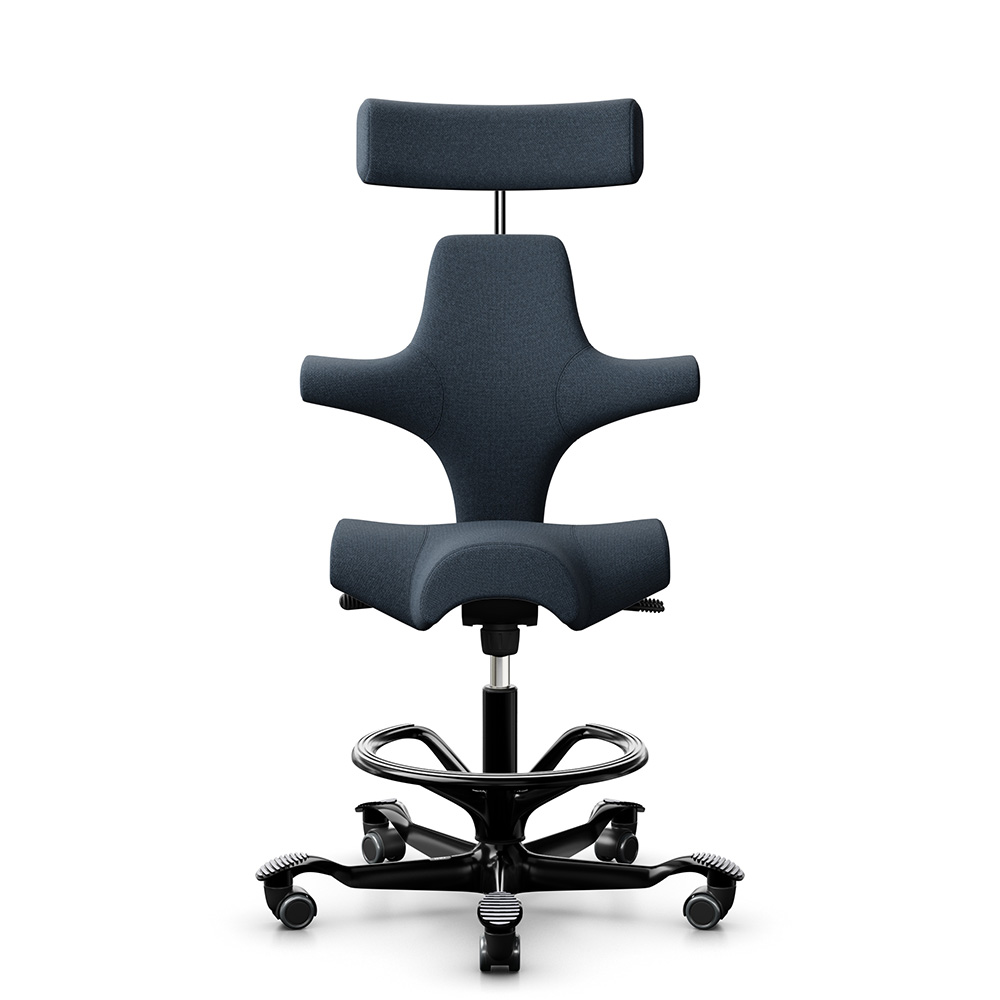

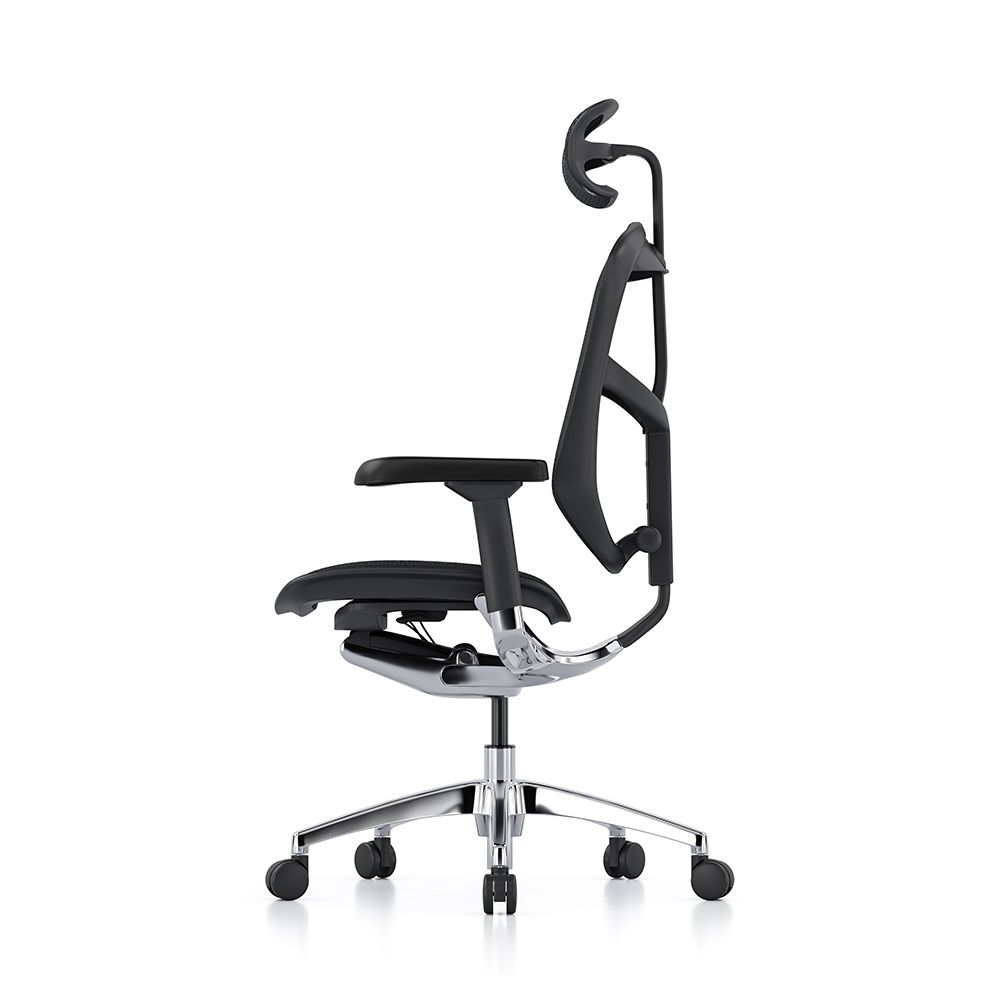
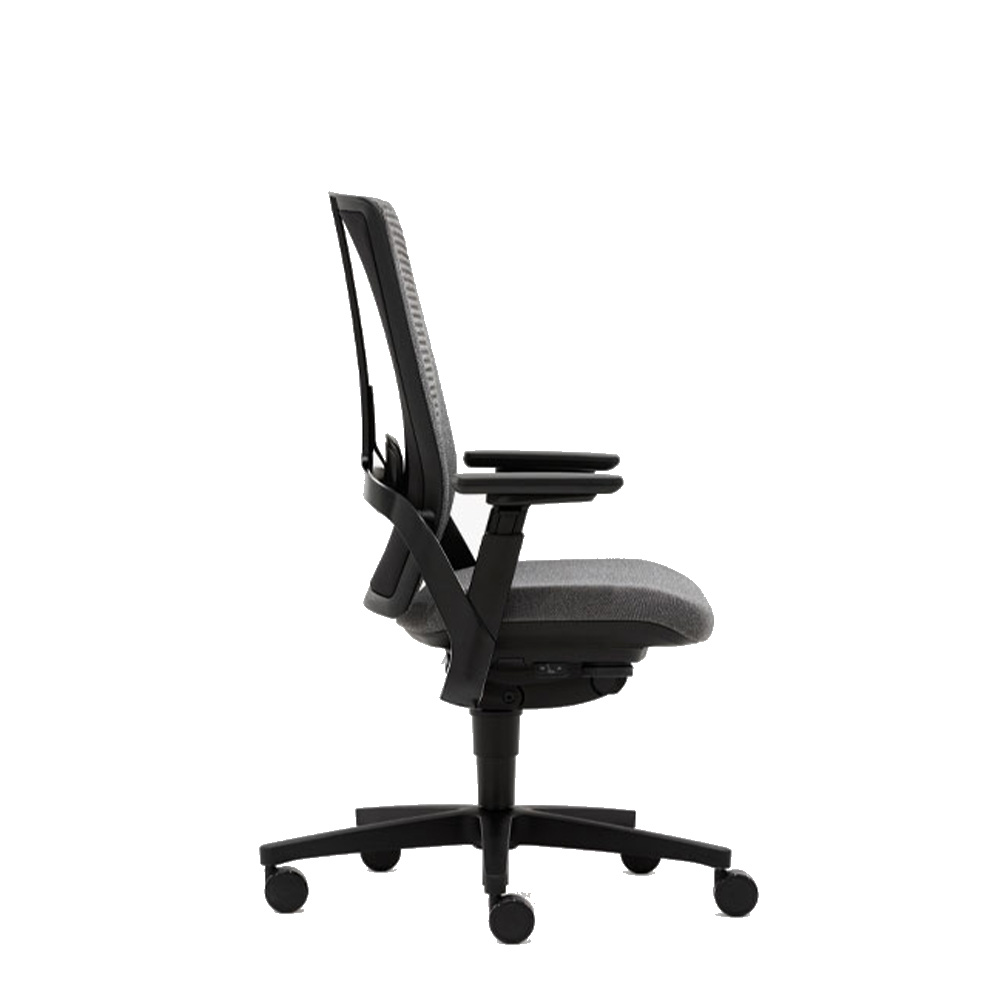
If you feel tension building between your shoulders or upper spine, then Upper Back Support chairs are specifically designed to help alleviate that area.
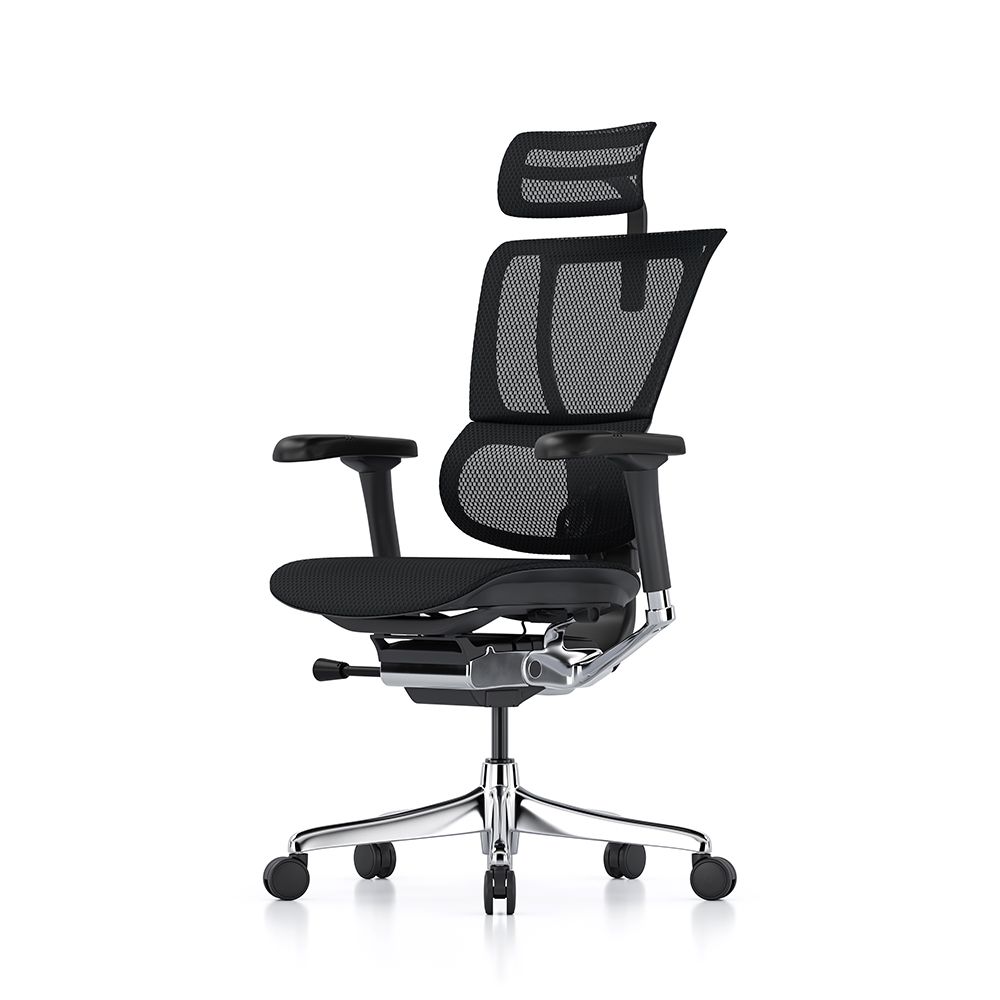
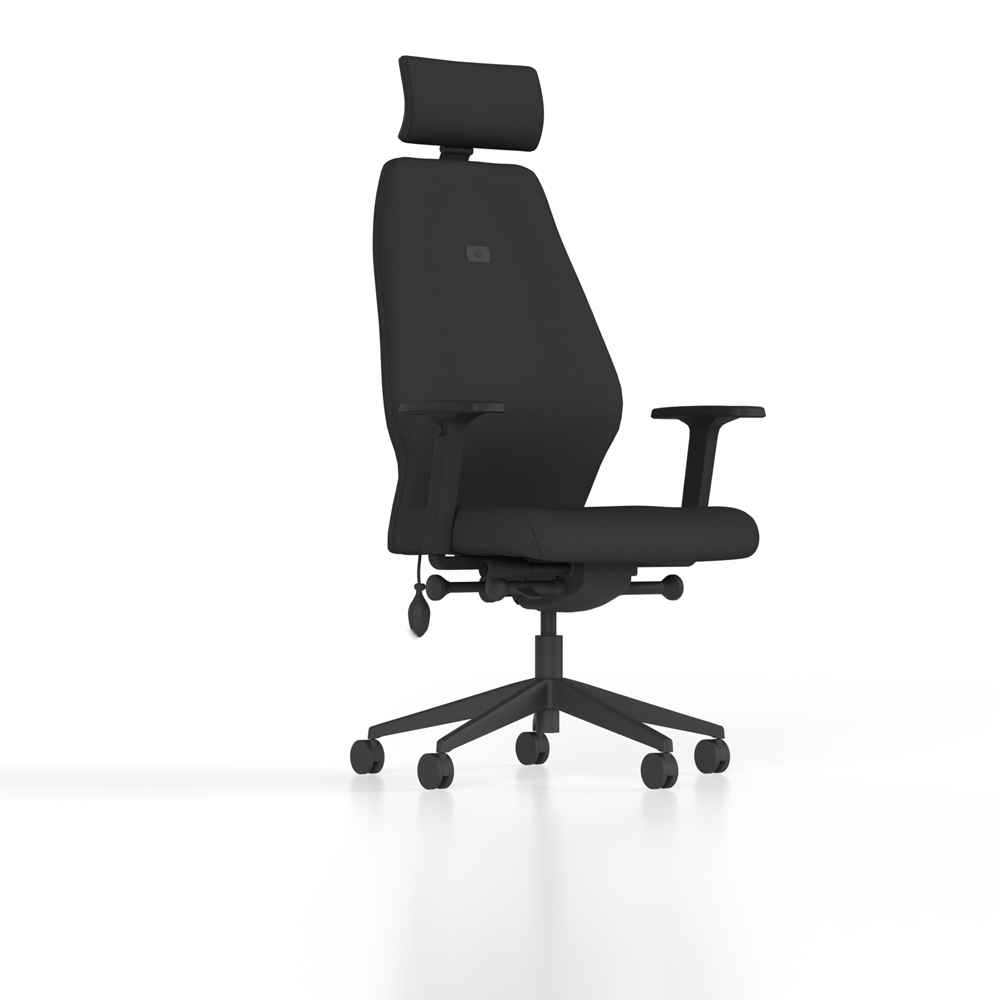


For more general lower spinal discomfort, Lower Back Support ergonomic chairs focus on maintaining natural lumbar alignment throughout the day.


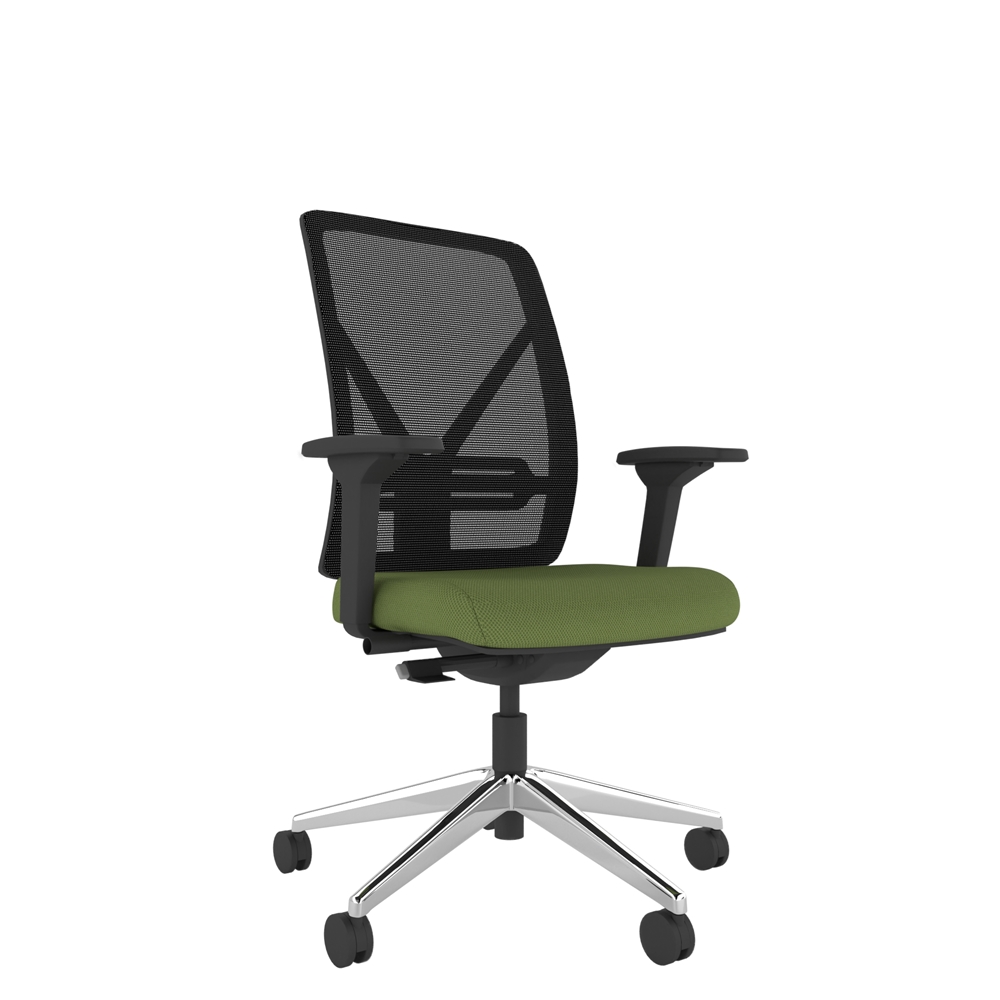
In some cases, users benefit from clinically guided designs such as Physio Approved chairs, which are often selected for more structured ergonomic support.
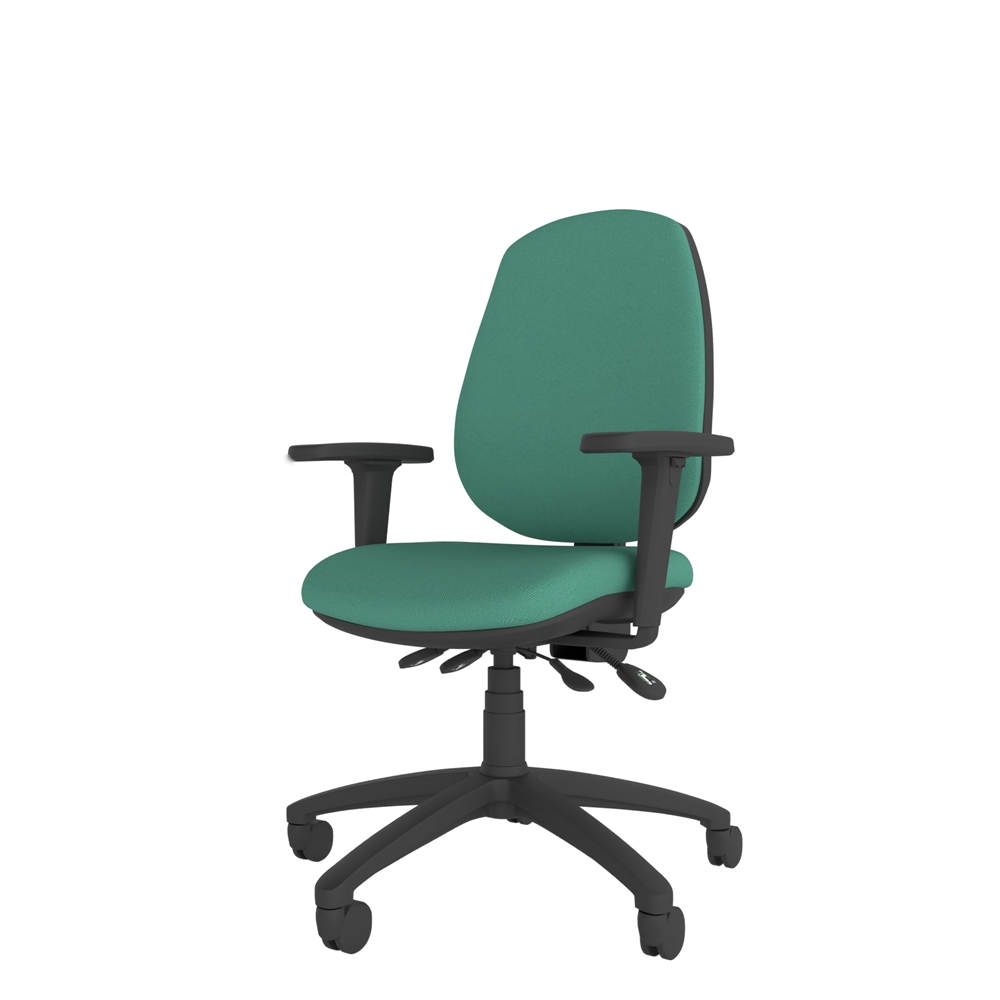
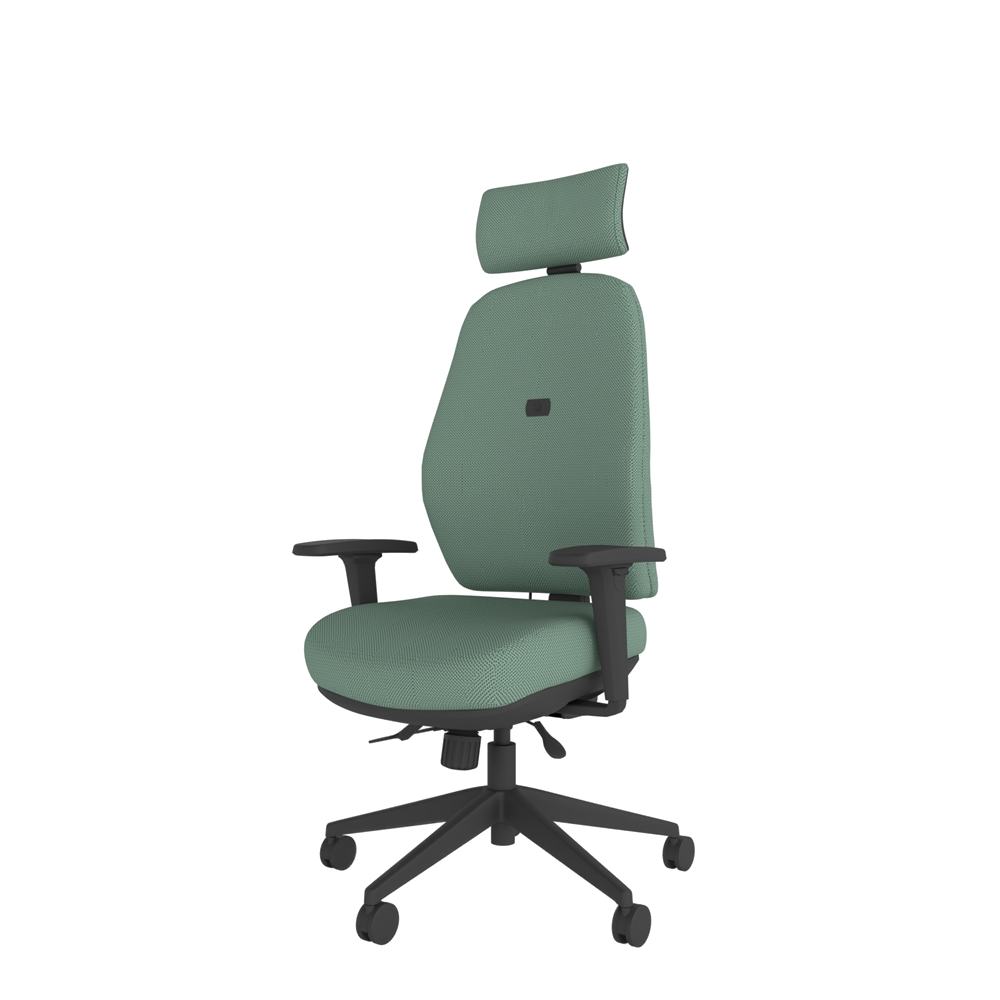
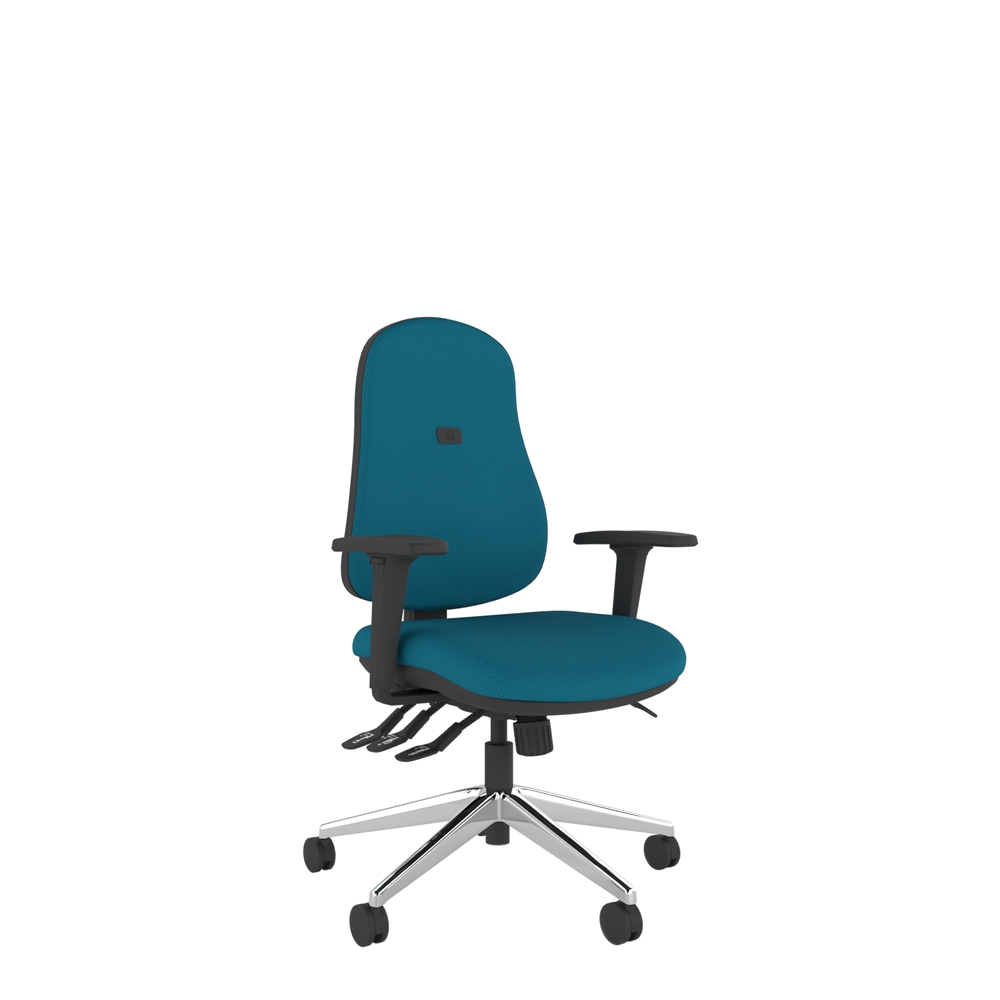
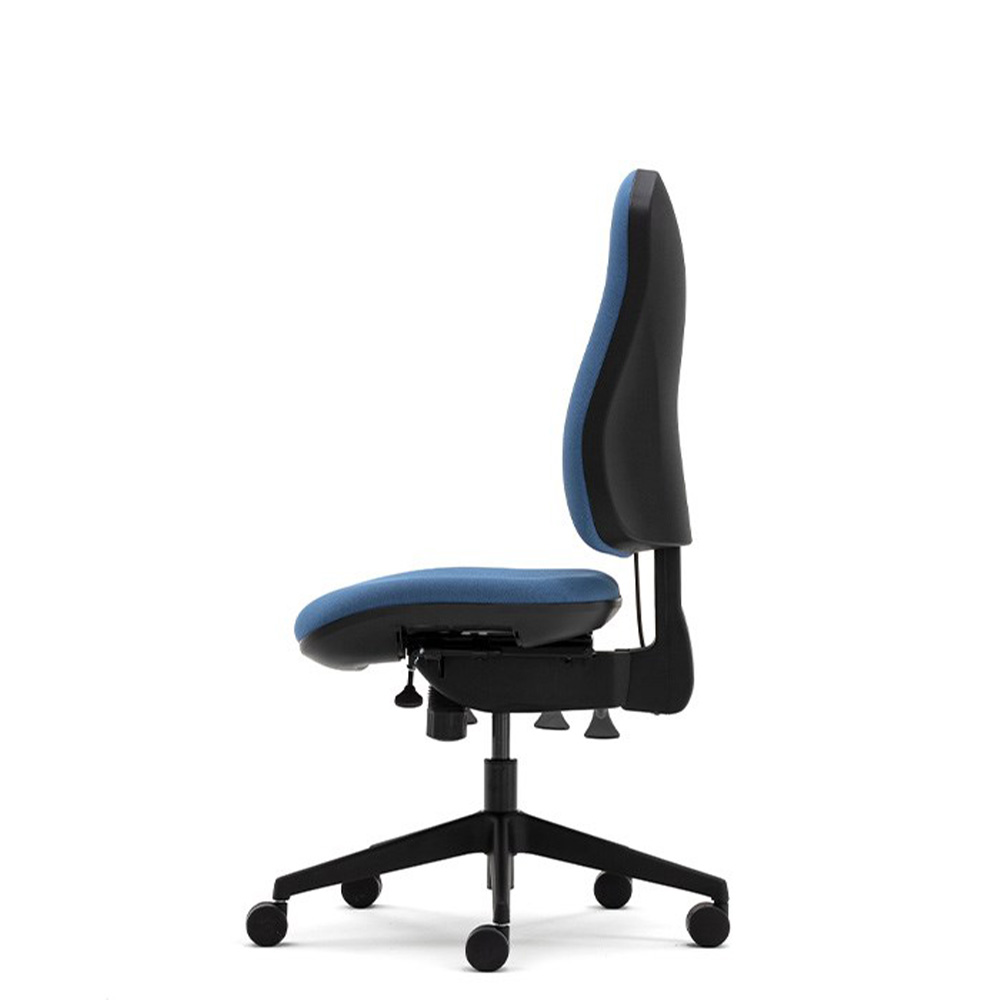
If pressure at the base of the spine is the issue, Coccyx Support chairs are designed to reduce load on the tailbone area when sitting for long periods.
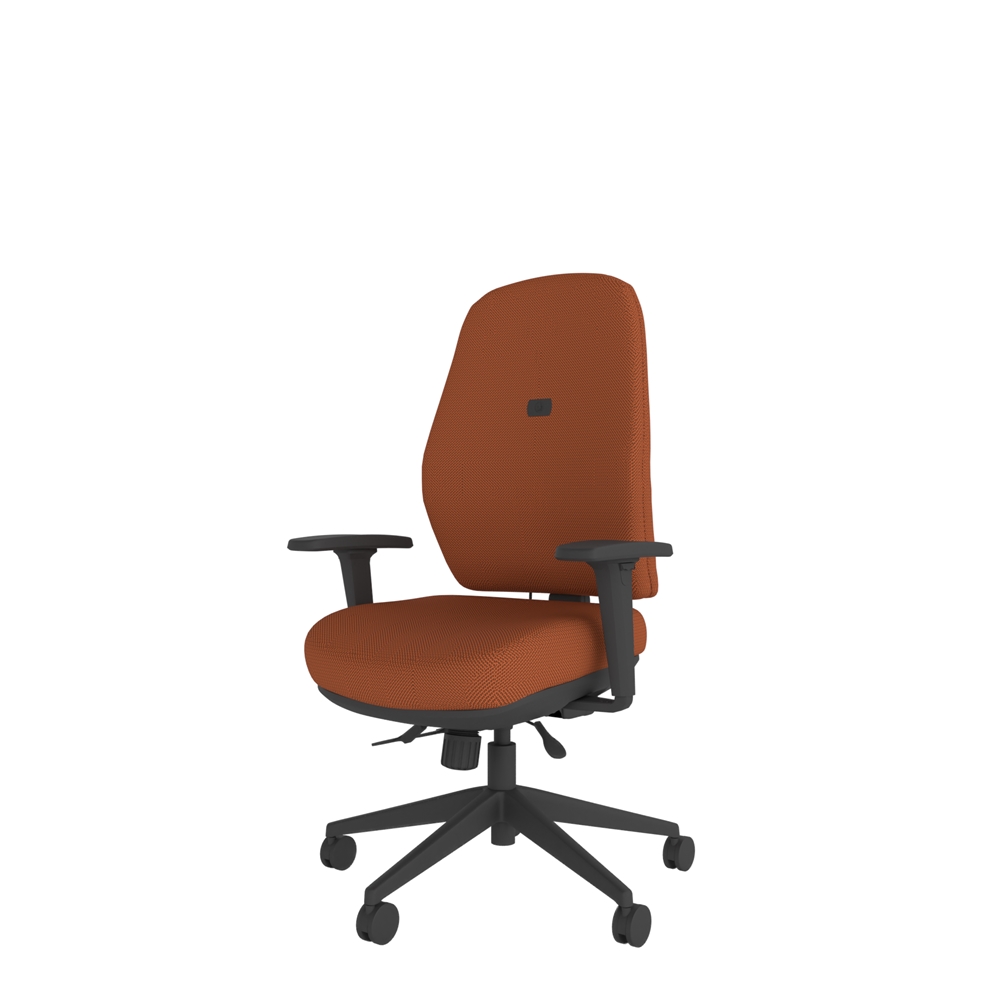
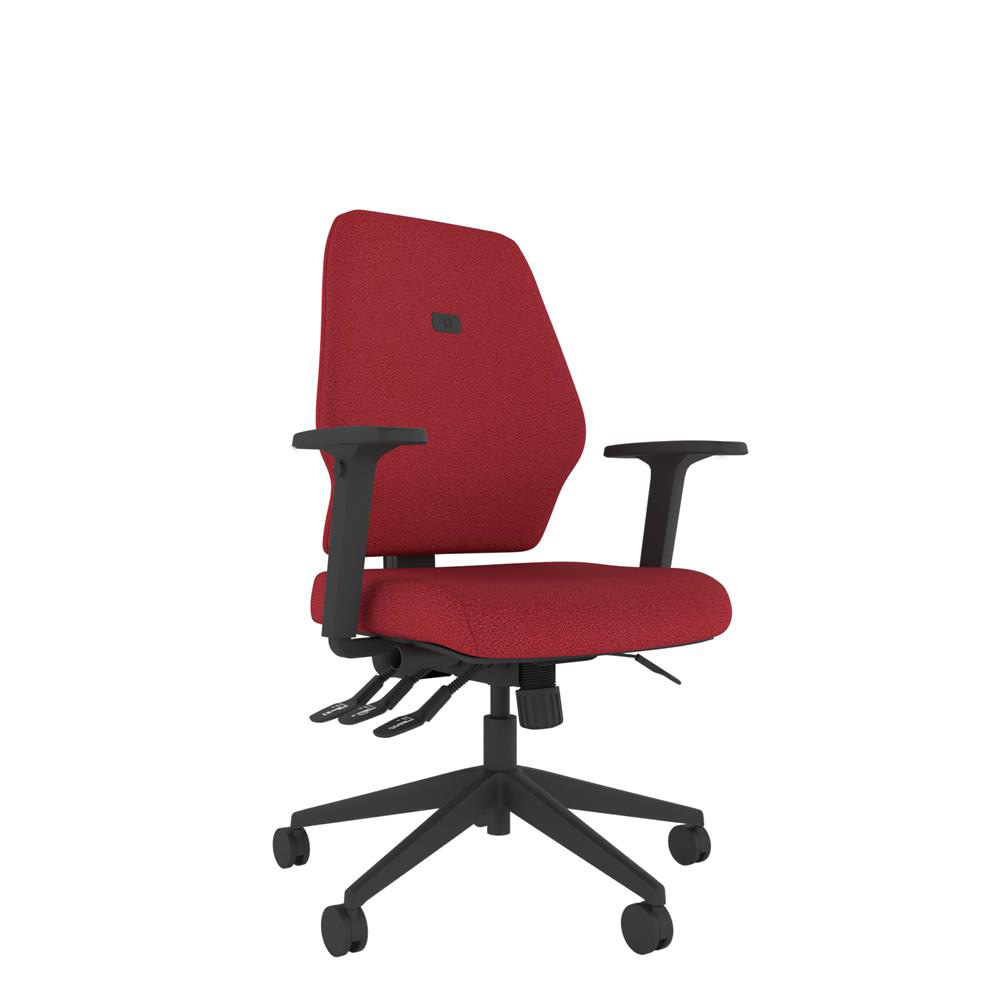
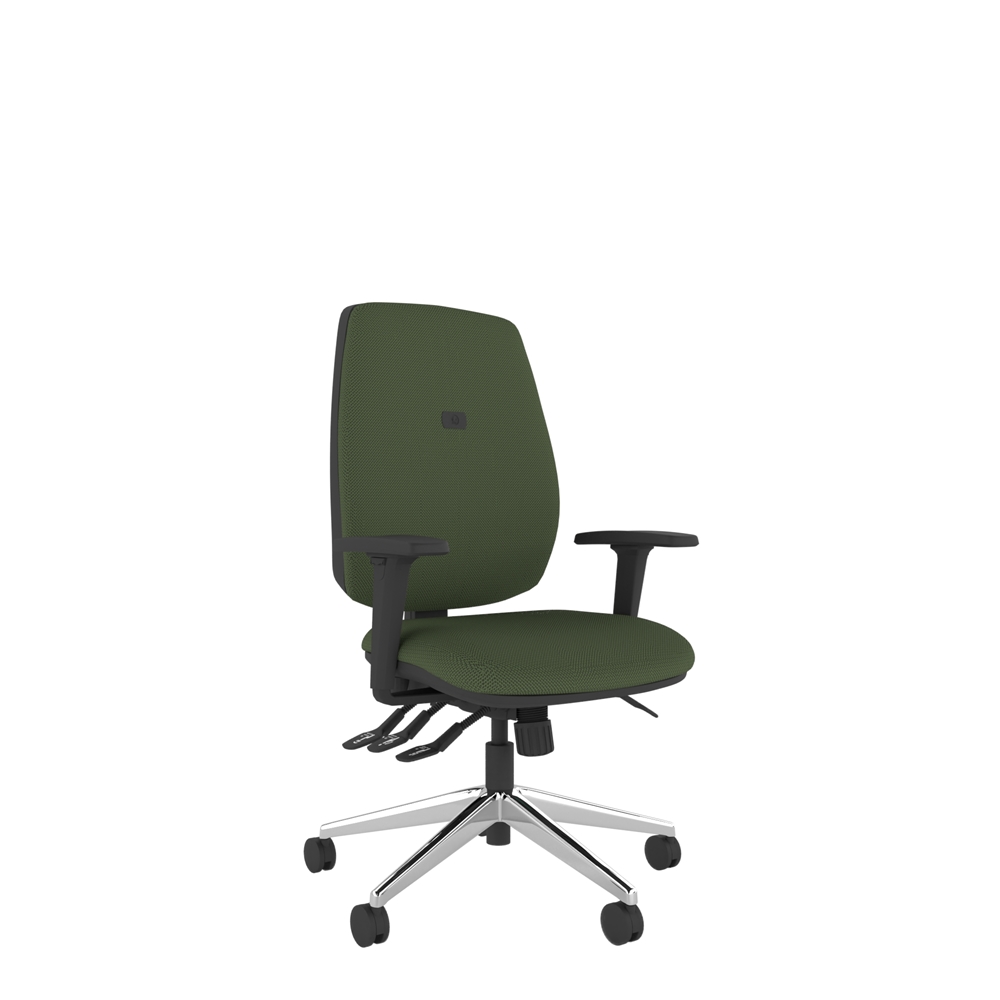
And if discomfort tends to show up through the hips, thighs, or circulation in the legs, it may be worth exploring solutions for Leg Pain and Discomfort, where seating position and pressure distribution become key.

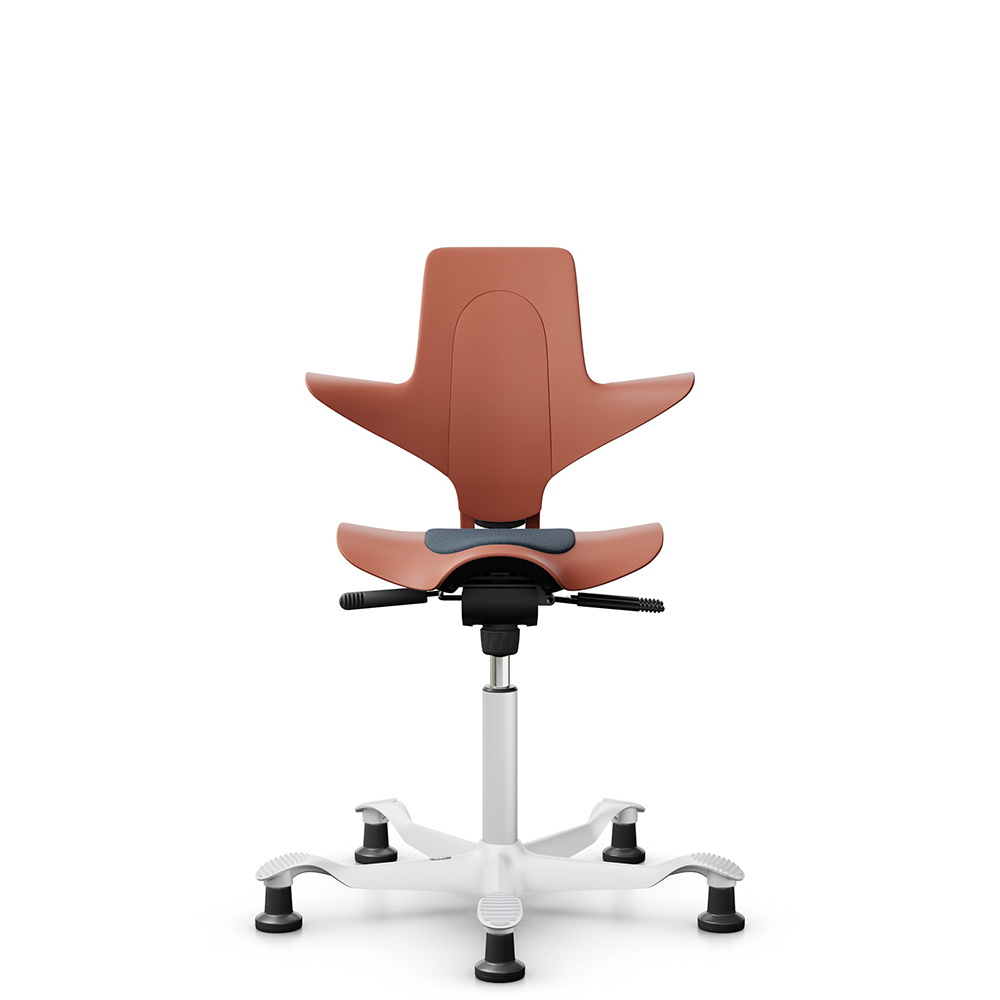
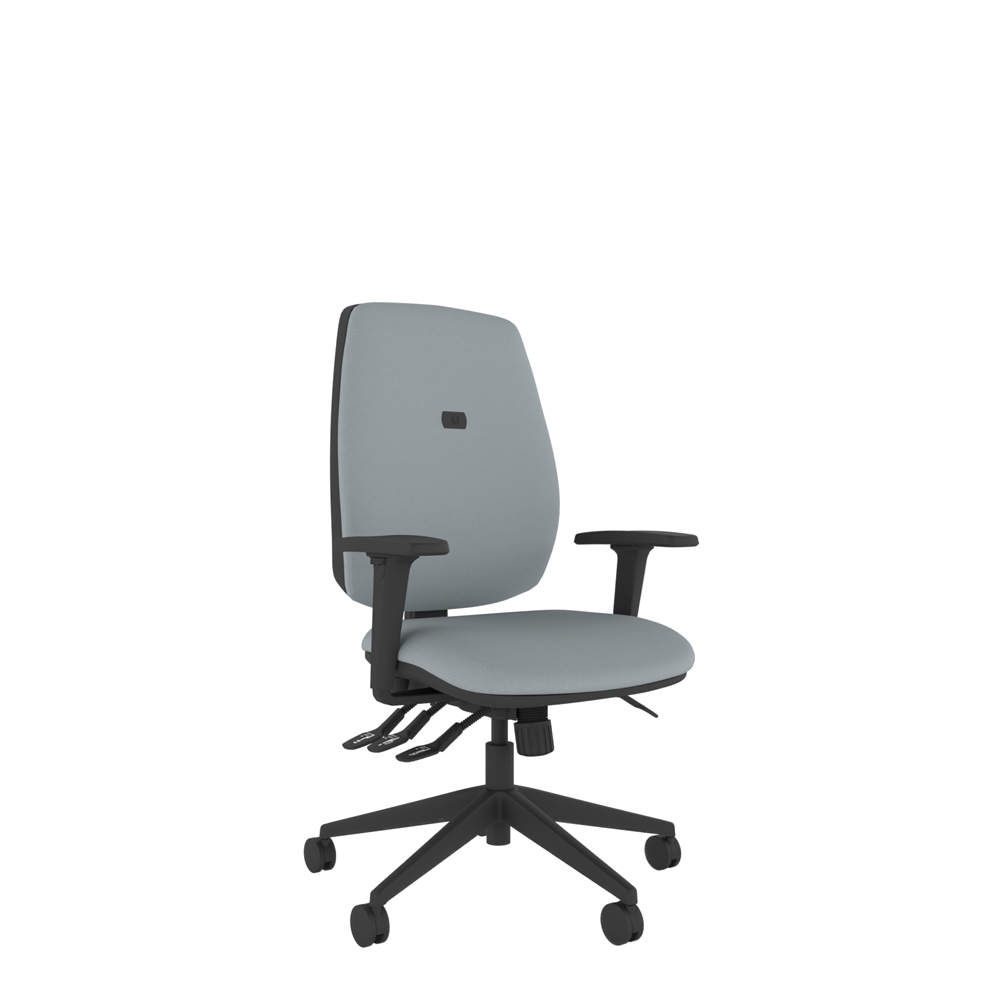

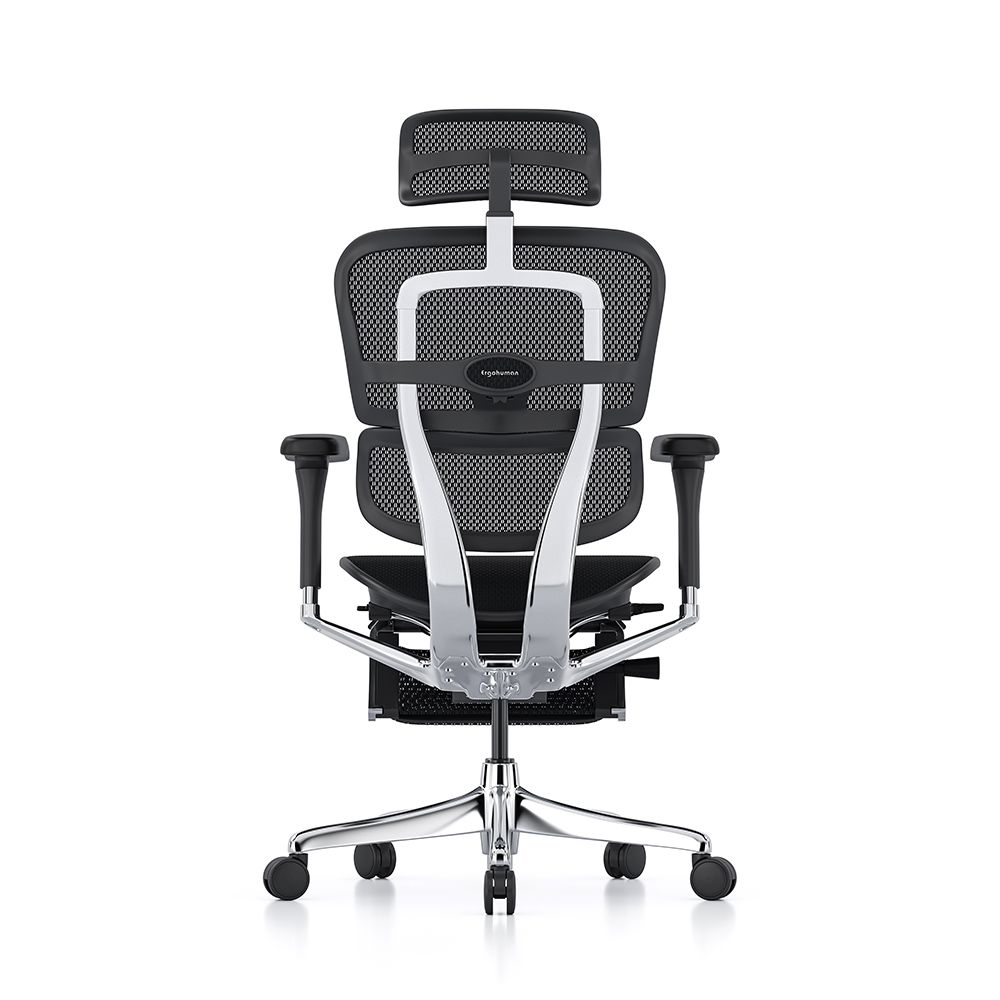
If you carry tension in your shoulders or neck, a chair with a headrest can make a noticeable difference over time.

If you’re more petite, standard chairs can feel slightly oversized, so a petite-friendly ergonomic chair with the right seat depth and height range will simply fit better.
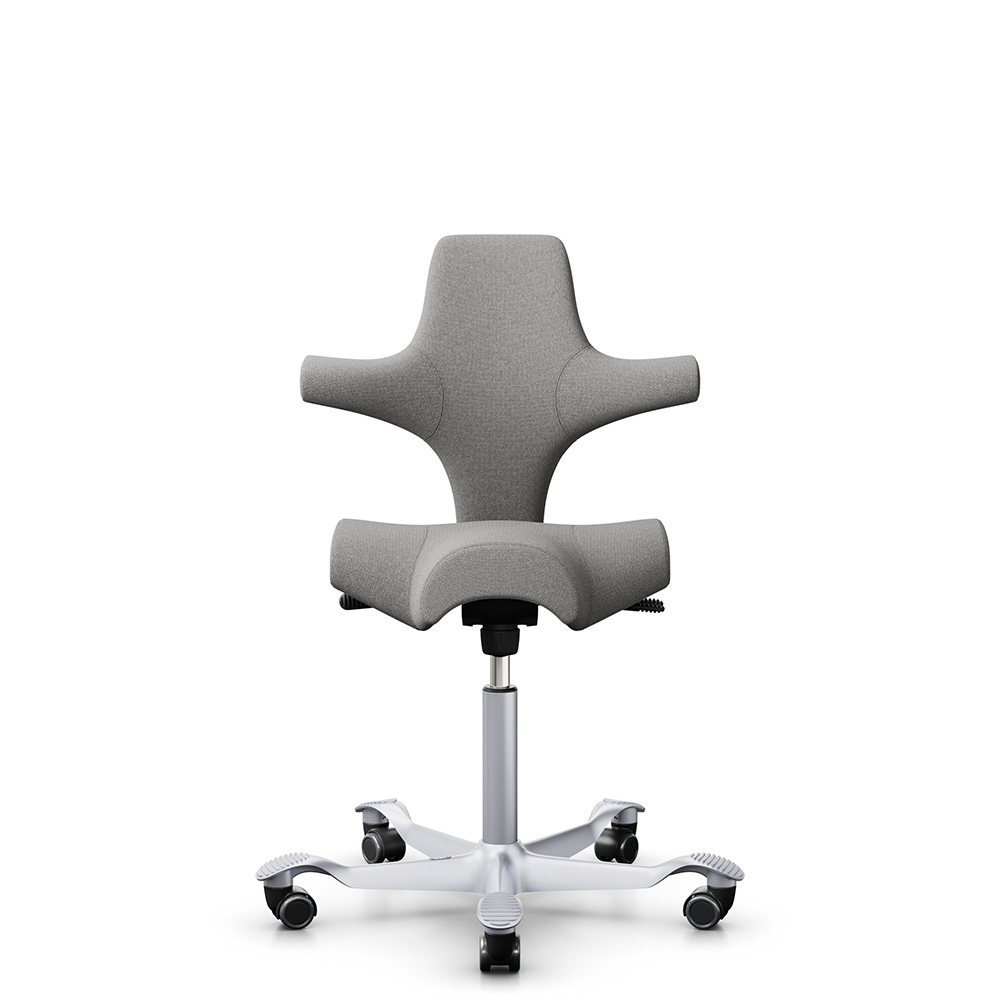


View the full range of chairs.
Still unsure what chair best suits you? Don’t worry, we’ve got your back! Answer six quick questions, and we’ll suggest the best ergonomic chair for you.
Summary
So, what is an ergonomic chair?
It’s not just a better-looking office chair. And it’s not about sitting perfectly. It’s simply a chair designed to support how people sit, with movement, variation, and real life in mind.